I've been dreaming of Santorini for years. The whitewashed buildings, the blue domes, the sunsets over the caldera. When I finally booked a trip for June 2026, I was ecstatic. But after three days in Santorini, I was ready to leave. The crowds, the prices, the constant feeling of being in a theme park — it was exhausting.
So I did something impulsive. I changed my itinerary and spent the rest of my two-week vacation on Paros, a lesser-known Cycladic island about an hour by ferry from Santorini. And honestly? It was the best travel decision I've ever made. Here's why you should skip Santorini this summer and go to Paros instead.
Santorini: A Beautiful Nightmare
Let me be clear: Santorini is stunning. The caldera views are genuinely breathtaking. The sunset from Oia is as beautiful as the photos suggest. I stayed in a cave hotel in Imerovigli, and the infinity pool overlooking the sea was incredible. But the experience was ruined by the sheer number of people.
In June 2026, Santorini is expecting over 3.5 million visitors this year — that's more than 10,000 people per day on an island with a permanent population of 15,000. The streets of Oia and Fira are so crowded that you can barely move. At sunset, hundreds of people jostle for the perfect photo spot. I saw a couple nearly get into a fight over a ledge. It's not relaxing. It's stressful.
And the prices are absurd. A glass of wine at a caldera-view restaurant costs €12. A simple dinner for two can easily hit €150. The cave hotel I stayed at was €400 per night. For that money, I expect peace and quiet. I got neither.
Paros: The Island That Has Everything
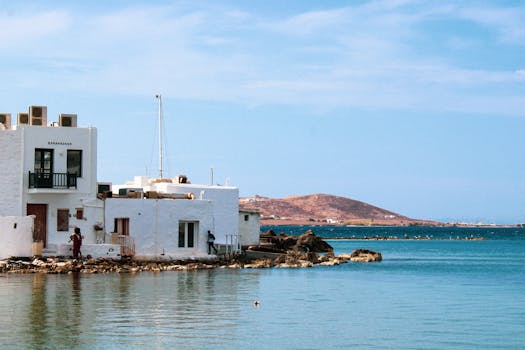
Paros is about 90 minutes from Santorini by high-speed ferry. It's the third-largest island in the Cyclades, but it's nowhere near as crowded. The main town, Parikia, is a maze of narrow streets with whitewashed buildings, bougainvillea-covered walls, and traditional Greek tavernas. The vibe is authentic and relaxed.
The beaches on Paros are incredible. Kolymbithres Beach has smooth granite rocks that form natural pools. Golden Beach (Chrysi Akti) is a long stretch of golden sand with crystal-clear water — perfect for swimming and windsurfing. I spent an entire afternoon at Santa Maria Beach, which has a beach bar that plays chill music and serves €4 beers. Compare that to Santorini's €12 wines.
The food on Paros is also better and cheaper. I had grilled octopus at a taverna in Naoussa for €12. It was the best octopus I've ever eaten — tender, smoky, and drizzled with olive oil. The local wine, made from the Assyrtiko grape, is crisp and mineral-rich. A bottle at dinner costs €15. In Santorini, the same wine would be €40.
The Real Reason Paros Is Better
It's not just the crowds and prices. Paros has something that Santorini has lost: authenticity. The island still feels like a real Greek community, not a tourist attraction. I watched fishermen repairing their nets in the harbor. I heard Greek being spoken more than English. I stumbled upon a local festival in a tiny village, where they were roasting lamb and dancing until midnight.
Santorini, by contrast, feels like a Disney version of Greece. Everything is curated for Instagram. The shops sell the same mass-produced souvenirs. The restaurants serve mediocre food at premium prices. Even the donkeys, which are used to transport tourists up the steep steps of Fira, look miserable.
How to Make the Switch
If you have a trip to Santorini booked, don't cancel it entirely. Spend one or two days there to see the caldera and the sunset. Then take the ferry to Paros and spend the rest of your vacation there. You can also visit nearby islands like Naxos and Antiparos, which are equally charming.
I came back from my trip feeling genuinely relaxed. I didn't get that from Santorini. I got it from Paros — the quiet mornings, the authentic food, the real Greek hospitality. That's what travel should be about.