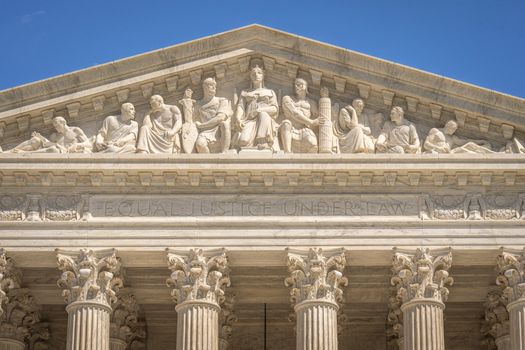
If you've been on social media this week, you've probably seen the headlines: 'Supreme Court Strikes Down Florida and Texas Social Media Laws.' The case, Moody v. NetChoice, was decided on June 19, and it's being called the most important First Amendment case of the digital age. I'm not a lawyer, but I read the full 87-page decision. And honestly? It's a win for free speech—but not in the way you might expect. Let me break it down.
What the Case Was About
Florida and Texas passed laws in 2021 that aimed to prevent social media platforms from 'censoring' conservative viewpoints. The Florida law, SB 7072, said platforms couldn't ban political candidates or remove posts based on viewpoint. The Texas law, HB 20, said platforms had to carry all content unless it was illegal (like child pornography). The states argued that platforms are like 'common carriers'—like phone companies—and should be forced to transmit all speech. The platforms, including Facebook, YouTube, and X (formerly Twitter), sued, saying these laws violated their First Amendment rights to decide what content to host. The Supreme Court agreed with the platforms, 6-3. The majority opinion was written by Justice Elena Kagan.
Why the Court Ruled Against the Laws
Justice Kagan's opinion is fascinating. She said that social media platforms are engaged in 'editorial judgment'—they decide what content to amplify, what to remove, and how to curate feeds. That's speech, and the First Amendment protects it. She compared platforms to newspapers: a newspaper can't be forced to publish an op-ed it disagrees with. Similarly, Facebook can't be forced to show posts it deems harmful. The key line: 'The First Amendment does not allow the government to tell a private entity what speech to carry.' The conservative justices who dissented—Samuel Alito, Clarence Thomas, and Neil Gorsuch—argued that platforms are so powerful that they've become 'the new public square.' Alito wrote that the decision gives tech companies 'unchecked power to silence speakers.' But the majority wasn't convinced. I think they got it right.
What This Means for You
This ruling protects your free speech indirectly. It means that platforms can continue to set their own content moderation policies without government interference. If you post something that violates a platform's rules, they can remove it. But that also means platforms can't be forced to host hate speech or misinformation. Is that a good thing? I think so. Imagine if the government could force Facebook to show every post, no matter how vile. That would be a nightmare. The internet would become a cesspool. But the ruling also means that platforms have immense power. They can ban you for any reason (except discrimination). That's why it's important to have alternatives. The ruling doesn't prevent new platforms from emerging. In fact, it encourages competition. If you don't like X's rules, go to Mastodon. That's freedom.