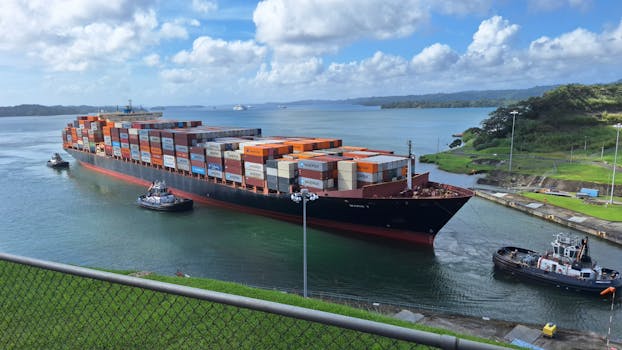
You might have seen headlines about the Panama Canal being in trouble. It’s not just news—it’s a real crisis. A severe drought has reduced the water levels in the artificial lakes that feed the canal, forcing authorities to limit the number of ships passing through. I looked into what’s happening and why it matters to everyone.
The Problem
The Panama Canal uses locks to lift ships up and down. Those locks rely on freshwater from Gatun Lake. But the lake is at historically low levels due to a drought that’s been going on for months. Normally, about 36 ships pass through daily. Now it’s down to 24 or fewer. Some ships are waiting up to 20 days to get through.
Why It Matters
The canal handles about 5% of global maritime trade. That’s billions of dollars worth of goods. When ships wait, delays ripple through supply chains. Retailers don’t get their products on time. Prices go up. It’s especially bad for perishable goods like fruit and vegetables. And it’s not just consumer goods—energy shipments are affected too.
Who’s Affected Most
Shipping companies are paying huge surcharges. Some are rerouting through the Suez Canal, but that adds time and cost. The worst hit is the US East Coast, which relies heavily on the canal for goods from Asia. Small businesses with tight margins are struggling. Big companies can absorb the costs, but it still hurts.
What’s Being Done
The canal authority is implementing water-saving measures, like using tandem locks and recycling water. They’re also dredging to deepen the channels. But long-term solutions are expensive—like building new reservoirs or desalination plants. Climate change is making droughts more frequent, so this might become a recurring problem.
The Bigger Picture
This is a wake-up call for global trade. We rely on a few critical chokepoints, and they’re vulnerable. The Panama Canal, the Suez Canal, the Strait of Hormuz—all are at risk from climate, conflict, or politics. Diversification and resilience are going to be key themes in the next decade. For now, expect higher prices and longer shipping times. It’s not going away soon.