I'll be honest: I didn't expect much from the Osaka World Expo. I thought it would be a bunch of boring pavilions, long lines, and overpriced food. But I went anyway, because I'm a sucker for big events. And I was wrong. Dead wrong.
The Osaka World Expo opened on April 13, 2026, and it runs through October 13. It's the first World Expo in Japan since 2005, and it's massive — 155 countries are participating, spread across 600 acres on the artificial island of Yumeshima. I spent a week there, and I came away convinced that this is the most important global event of the decade. Here's why.
The Theme: Designing a Future Society for Our Lives
The Expo's theme is "Designing a Future Society for Our Lives." That sounds like corporate jargon, but it's actually meaningful. Every pavilion is focused on solving real problems — climate change, aging populations, food security, and AI ethics. It's not about showing off national pride. It's about showing off national solutions.
The Japanese pavilion is a case in point. It's a giant wooden dome that's carbon-negative — it absorbs more CO2 than it emits. Inside, it showcases Japan's latest technologies for disaster resilience, including earthquake-proof buildings and tsunami early warning systems. It's practical, not flashy.
The Pavilions That Blew My Mind
I walked through 40 pavilions in 7 days. Some were boring. Some were incredible. Here are the ones that stuck with me.
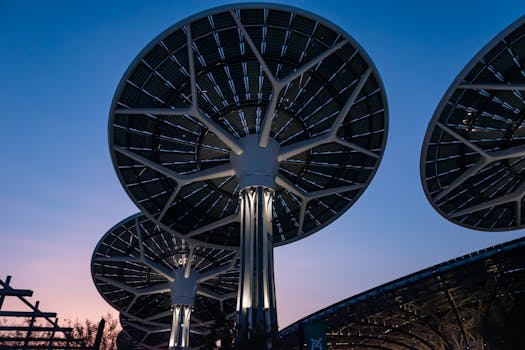
The UAE pavilion is a floating structure that generates its own energy from solar panels and tidal turbines. It's shaped like a falcon in flight. Inside, it shows how the country is investing in renewable energy and desalination technology. It feels like a vision of a post-oil future.
The Nordic pavilion (shared by Sweden, Norway, Denmark, Finland, and Iceland) is a massive greenhouse with a vertical farm inside. They're growing lettuce, tomatoes, and herbs using only LED lights and recirculated water. They claim it produces 100 times more food per square meter than traditional farming. I tasted the lettuce — it was crisp and fresh. Amazing.
The African Union pavilion is a collective showcase for 55 countries. The highlight is a virtual reality experience that takes you through the Congo Basin rainforest. It's immersive and educational. I learned more about deforestation in 20 minutes than I did in years of news articles.
The Technology: Things I Didn't Know Existed
This is where the Expo really shines. I saw a flying taxi developed by a Japanese startup called SkyDrive. It's a small, electric vertical takeoff and landing vehicle that can carry two people. They've already started test flights, and they plan to launch commercial service in Osaka by 2028. I didn't ride it (the line was 4 hours long), but I watched it fly. It's real. It's happening.
I also saw a robot chef that can cook 500 different dishes. It's called Chef AI, and it's from a company called Moley Robotics. It uses two robotic arms to chop, stir, and plate food. I ate a stir-fry it made, and it was better than what I cook at home. The company says it costs $50,000, which is too expensive for most people, but prices will come down.
The most mind-blowing thing was the brain-computer interface demo at the South Korean pavilion. You wear a cap that reads your brain signals, and you can control a drone by thinking about moving your hands. I tried it. It took me 10 minutes to get the hang of it, but then I was flying a drone with my thoughts. It's not ready for consumers yet, but it's progress.
The Food: A Global Culinary Journey
The food at the Expo is incredible. There are 150 restaurants and food stalls representing cuisines from around the world. I ate Peruvian ceviche, Ethiopian injera, Korean bibimbap, and French pastries. The prices are reasonable — most meals cost $10-15. The Japanese food court is the highlight, with everything from sushi to okonomiyaki.
But the best meal I had was at the Italian pavilion. They have a Michelin-starred chef who prepares fresh pasta in front of you. I had truffle tagliatelle that was so good I almost cried. It cost $25, which is a steal for that quality.
The Crowds: Manageable, But Plan Ahead
The Expo is busy, but not unbearable. Weekdays are best — I never waited more than 30 minutes for any pavilion. Weekends are a zoo, with 2-hour waits for popular pavilions like Japan and the UAE. I recommend buying a pass that lets you book time slots for specific pavilions. It costs extra, but it's worth it.
The best time to go is early morning. Gates open at 9 AM, and the crowds don't pick up until 11 AM. I was there by 8:30 every day and got through three pavilions before lunch. By afternoon, I was relaxing in the gardens or trying food.
Why This Matters More Than the Olympics
The Olympics are about competition. The Expo is about collaboration. Countries aren't trying to beat each other — they're sharing ideas. I saw German engineers talking to Indian scientists about solar energy. I saw American entrepreneurs learning from Japanese robotics experts. The conversations happening here could shape the next decade of innovation.
And that's why you should care. The Expo isn't just a tourist attraction. It's a glimpse of the future. It shows us what's possible when we work together. The flying taxis, the vertical farms, the brain-computer interfaces — these aren't science fiction. They're prototypes. They're coming. And the Expo is where they're being shown to the world.
If you can get to Osaka before October, do it. It's worth the trip. And if you can't, follow the news. Because the ideas I saw there are going to change your life. Whether you're ready or not.