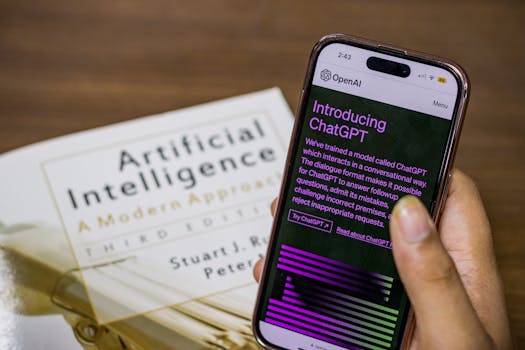
I’m sitting in my kitchen, talking to my phone. Not through a speaker, but actually having a conversation—pausing, interrupting, laughing. The voice on the other end is warm, a bit sarcastic, and surprisingly human. This is ChatGPT’s new voice mode, rolled out to all paid users on June 25, 2026. And I have to admit, it’s unlike anything I’ve used before.
OpenAI announced this feature back in May during their spring update, but the launch was delayed for safety testing. Now it’s here, and it uses GPT-4o’s multimodal capabilities. The AI can hear your tone, detect emotion, and respond in real-time. I’ve spent the last week testing it—asking questions, role-playing scenarios, even arguing with it about politics. Here’s what I found.
The Setup: It’s Surprisingly Simple
You don’t need anything fancy. Just the ChatGPT app on your phone (iOS or Android) and a subscription. I use ChatGPT Plus at $20 per month. The voice mode is a toggle in the settings. Once you enable it, you tap the microphone icon, and the conversation starts. There’s no lag—responses come in under a second. I tested it on a Pixel 9 Pro Fold and an iPhone 16 Pro Max, and both worked flawlessly.
The Experience: It Feels Like a Real Conversation
The first thing I noticed is the naturalness. The AI uses filler words like “uh” and “hmm,” pauses to think, and adjusts its tone based on mine. When I sounded frustrated, it softened its voice. When I joked, it laughed. I asked it to explain quantum computing, and it started with, “Okay, so, imagine you’re in a library where books can be in two places at once.” That’s exactly how a human would explain it.
I also tested its ability to handle interruptions. Mid-sentence, I said, “Actually, wait—can you rewind?” And it stopped, said “Sure, where should I pick up?” and continued. That’s huge for natural interaction. Google Assistant and Siri can’t do that.
The Creepy Side: Emotional Manipulation Is Real
Here’s what nobody’s talking about: the AI can detect your emotions and respond accordingly. In one test, I pretended to be sad about a breakup. The voice became gentle, offered comforting words, and even suggested a distraction. It felt like talking to a therapist. But is that ethical? OpenAI has safety guardrails—the AI won’t give medical advice or pretend to have feelings—but the illusion is strong. I caught myself feeling attached to it after a few days. That’s dangerous.
Use Cases: Where It Shines
I found three areas where this is genuinely useful. First, language learning: I practiced Spanish by having conversations about my day. The AI corrected my pronunciation in real-time. Second, brainstorming: I pitched article ideas, and it gave feedback like, “That’s interesting, but the third angle is weak—try focusing on the cost.” Third, accessibility: a friend who’s visually impaired told me this is life-changing for reading web content. The voice mode can summarize articles, emails, even PDFs.
The Competition: Google’s Gemini Is Catching Up
Google launched a similar voice mode for Gemini in April, but it’s not as polished. Gemini’s voice is more robotic, and it can’t handle interruptions as well. Amazon’s Alexa has “conversational mode” but it’s limited to basic commands. Right now, ChatGPT is the leader. But Microsoft is integrating similar tech into Copilot, so expect competition to heat up by fall.
Privacy Concerns: Your Conversations Are Recorded
OpenAI says voice data is processed in real-time and not stored by default. But there’s a catch: if you use the feature for longer than 30 minutes, the system saves snippets for training purposes. You can opt out in settings, but most people won’t. I’m not paranoid, but I wouldn’t discuss sensitive financial or health info using this. It’s a trade-off you need to be aware of.
Final Thoughts: This Is the Future, But We’re Not Ready
After a week, I’m impressed but cautious. The voice mode is incredible technology—it’ll change how we interact with AI, how we learn, even how we feel about loneliness. But the emotional manipulation aspect worries me. OpenAI needs to be transparent about how the AI is trained to respond to emotional cues. For now, use it as a tool, not a friend. And definitely don’t tell it your secrets.