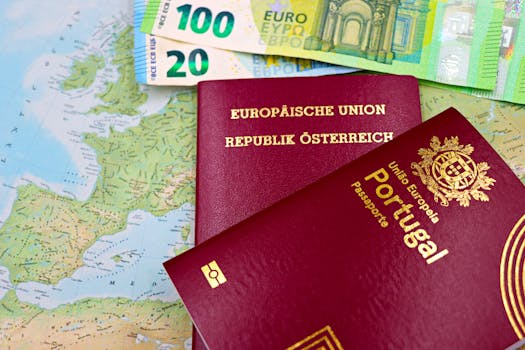
In 2020, when the pandemic hit, I was working from a cramped apartment in Brooklyn. Like millions of others, I realized I didn't need to be in an office. Two years later, in 2022, I got a digital nomad visa for Portugal. It sounded perfect: live in sunny Lisbon, work remotely, explore Europe on weekends. I packed my bags and moved in January 2023. By April, I was back in New York. Here's what happened.
But first, let me explain what digital nomad visas are. Since 2022, over 40 countries have launched them — Portugal, Spain, Greece, Croatia, Thailand, Colombia, and more. They let remote workers live in the country for 1-2 years, paying local taxes (often at reduced rates). The idea is to attract skilled workers who spend money locally. And for a while, it worked. But in 2026, the cracks are showing.
I spent three months in Lisbon earlier this year, and I saw the dark side. The city is overrun with remote workers. Coffee shops are packed with people on Zoom calls (myself included). Rent has skyrocketed — a one-bedroom apartment that cost €800 in 2020 now costs €1,800. Locals are being priced out of their own neighborhoods. I met a Portuguese waiter named João who told me he can't afford to live in Lisbon anymore. "My family has been here for three generations," he said. "Now I'm moving to the suburbs because of you guys." It stung.
The housing crisis is real. In June 2026, Portugal passed a law limiting short-term rentals (like Airbnb) in an attempt to free up housing. But the damage is done. Entire buildings in the Alfama district have been converted into Airbnbs. The neighborhood feels like a theme park, not a real community. I felt guilty being part of it.
Then there's the loneliness. I expected a community of like-minded people, but what I found was a revolving door of travelers. People stay for two months, make friends, then leave. You're constantly saying goodbye. The WhatsApp groups are full of messages like "Anyone in Lisbon this week?" and "Leaving Friday, want to grab a drink?" It's exhausting. After a while, I stopped trying to make friends because I knew they'd be gone soon.
The work-life balance isn't as great as advertised either. When you're in a new city, you feel pressure to explore. But you also have a job. I found myself working from 9 to 5 (Portuguese time), then rushing to see a museum or a viewpoint before sunset. I never felt fully present. I was either working while distracted by the beautiful city, or sightseeing while stressed about work. The "digital nomad" lifestyle sold me a fantasy of freedom, but I felt more anxious than ever.