Two years ago, if you’d told me that Central Bank Digital Currencies (CBDCs) would become a hot-button political issue, I’d have laughed. They seemed like a boring technical upgrade—digital versions of cash, issued by central banks. Yawn.
But in June 2026, CBDCs are anything but boring. They’re at the center of protests in Europe, a political firestorm in the US, and a weird alliance between the far left and far right that nobody saw coming. What happened?
The Spark: The ECB’s “Digital Euro” Announcement
On June 15, 2026, the European Central Bank announced that the Digital Euro would launch in pilot form by October 2026. The details sounded reasonable: a digital wallet, a programmable currency, designed to combat the decline of cash and compete with private cryptocurrencies.
But then the ECB released the fine print. The Digital Euro would have a “programmability” feature—meaning the central bank could impose conditions on how the money is used. For example, they could set an expiration date on stimulus payments, restrict spending to certain categories, or even freeze funds in a surveillance context.
Cue the backlash.
The Privacy Problem: It’s Worse Than You Think
Here’s the core issue: CBDCs are not anonymous. Every transaction is recorded on a centralized ledger controlled by the government. The ECB claims they’ll only track “suspicious” transactions, but once the infrastructure exists, the temptation to expand it is enormous.
Privacy advocates have been warning about this for years. But it took a concrete proposal—and a few leaked documents—for the general public to care. Last week, a German news outlet published internal ECB documents suggesting that the Digital Euro could be used to enforce “social credit” scoring. The ECB denies this, but the damage is done. Trust is gone.
The Unlikely Alliance: Libertarians and Progressives
One of the strangest outcomes of the CBDC debate is the coalition forming against it. On one side, you have libertarians and crypto enthusiasts who see CBDCs as a threat to financial freedom. On the other side, you have progressive privacy advocates and civil liberties groups who worry about surveillance and control.
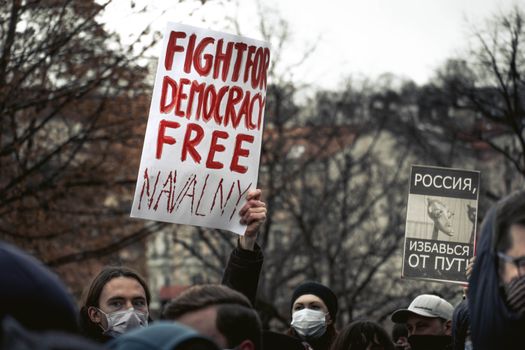
I attended a protest in Berlin last Saturday. I saw a guy with a “Bitcoin Not Bankers” sign standing next to a woman with a “Stop Surveillance” poster. They weren’t fighting. They were arguing about how to make their signs match. It’s bizarre and kind of beautiful.
The American Civil Liberties Union released a statement on June 18 calling for a moratorium on CBDC development in the US, citing “unprecedented surveillance potential.” The Cato Institute followed with a similar call. For once, left and right agree on something: government-controlled digital money is scary.