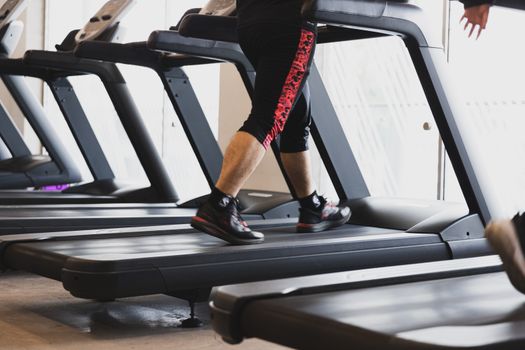
I used to be that person who posted gym selfies after 45-minute HIIT sessions. I loved the feeling of being drenched in sweat, my heart pounding, muscles burning. I thought that was the only way to get fit. But last year, my knees started to hurt. Badly. Every squat, every lunge, every burpee sent a sharp pain through my joints. I went to a physiotherapist who told me the truth: I was overtraining, and my body was breaking down.
She recommended I take a break from high-impact exercise and try something low-impact. I rolled my eyes. Low-impact? That's for old people. But after two weeks of limping around, I relented. I tried the 12-3-30 treadmill routine — the viral workout that's been all over TikTok — and I haven't looked back.
I'm now 60 days in, and I'm healthier than I've been in years. Here's the honest story.
What Is the 12-3-30 Routine?
If you've been living under a rock, let me explain. The 12-3-30 routine was created by Lauren Giraldo, a YouTuber who shared it back in 2019. It's simple: set your treadmill to an incline of 12, speed of 3 miles per hour, and walk for 30 minutes. That's it. No running, no jumping, no complicated intervals. Just walking uphill.
The beauty of it is the simplicity. You don't need to think about form, or count reps, or remember the next exercise. You just walk. It's boring, but it's effective.
I was skeptical. How could walking burn enough calories to make a difference? I was used to burning 500-600 calories in a HIIT session. Walking seemed like a waste of time. But I committed to doing it five days a week for two months. I tracked everything — weight, measurements, heart rate, and how I felt.
The First Week: Boring and Easy
The first week was underwhelming. The first few minutes felt like a light stroll. I was checking my phone, looking around the gym, wondering when it would get hard. Around the 10-minute mark, my calves started to feel it. By 15 minutes, I was breathing heavily. By 25 minutes, my glutes were on fire. By the end, I was sweating.
But it wasn't the same as HIIT. There was no adrenaline rush, no feeling of conquering a mountain. It was just... walking. I finished each session feeling good but not exhausted. I missed the intensity.
I almost quit after the first week. I told myself this was a waste of time. But I'd promised myself I'd stick with it for 60 days, so I pushed through.
The Surprising Results After 30 Days
After two weeks, something strange happened. My knees stopped hurting. The dull ache that had been there for months disappeared. I could walk up stairs without wincing. I even tried a light jog, and my knees felt fine. That alone was worth the switch.
After 30 days, I stepped on the scale. I had lost 4 pounds. That's not dramatic, but it's steady. I also noticed my clothes fitting better — my jeans were looser around the waist, and my shirts felt less tight across the shoulders. I measured my waist and hips, and I'd lost 2 inches overall.
My heart rate had also improved. In the first week, my resting heart rate was around 72 bpm. After 30 days, it was down to 65 bpm. That's a real sign of improved cardiovascular fitness.
But the biggest change was mental. The 12-3-30 routine became a form of meditation. For 30 minutes, I was alone with my thoughts. No music, no podcasts — just the sound of my breathing and the hum of the treadmill. I found myself looking forward to that time. It was a break from the chaos of the day.
The 60-Day Mark: How My Body Changed
At 60 days, I had lost 8 pounds total. That's about a pound per week, which is a healthy, sustainable rate. My waist had shrunk by 3 inches. My glutes were noticeably stronger — I could feel them engaging when I walked. My posture had improved, probably from strengthening my core and back muscles.
But the real surprise was my energy levels. I used to crash in the afternoon after my HIIT sessions. I'd feel drained and irritable. With the 12-3-30 routine, I felt energized after my workout. I'd finish, take a shower, and feel ready to tackle the rest of my day. No more mid-afternoon slumps.