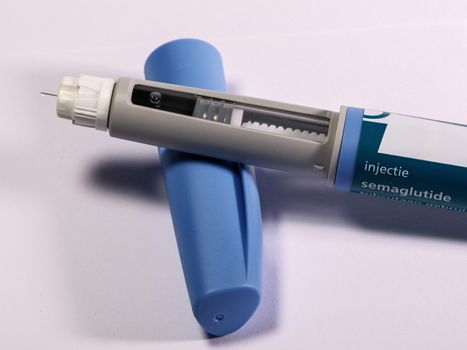
If you've been online in the last year, you've seen the ads. "Lose weight without surgery!" "The drug that's changing lives!" Semaglutide — sold as Ozempic for diabetes and Wegovy for weight loss — is the most talked-about medication in America. And in June 2026, it's bigger than ever. A new study published this week in The New England Journal of Medicine confirms that semaglutide leads to an average of 15% body weight loss over 68 weeks. That's impressive. But there's more to the story.
I've been following this trend for a while. My cousin started taking Wegovy in March. She lost 30 pounds in three months. She says she feels great, has more energy, and finally fits into clothes she hasn't worn since college. But she also says the side effects are brutal: nausea, vomiting, diarrhea, and a constant feeling of being full (which sounds like a feature, not a bug, until you realize you can barely eat a salad). She's lost weight, but she's also lost her appetite for things she used to love — food, social dinners, even coffee.
That's the trade-off. Semaglutide works by mimicking a hormone called GLP-1 that tells your brain you're full. It slows gastric emptying, so food stays in your stomach longer. You feel full faster and stay full longer. But that also means you feel sick when you eat too much. It's a tool, not a miracle.
This week's study — led by Dr. Rachel Kim at Harvard — involved 5,000 participants over 18 months. The results were clear: semaglutide leads to significant weight loss, and it also reduces the risk of heart attack and stroke by 20%. That's huge. But the study also found that 40% of participants experienced gastrointestinal side effects severe enough to consider stopping. And 15% actually did stop. The drug isn't for everyone.
But the bigger issue is access. Semaglutide is expensive — about $1,300 per month without insurance. And demand is so high that there's a shortage. People are turning to compounding pharmacies, which make unregulated versions of the drug. I spoke to a pharmacist in Texas who told me she sees patients buying semaglutide from online sources that don't require a prescription. "It's scary," she said. "We don't know what's in those vials." The FDA issued a warning this month about counterfeit semaglutide linked to hospitalizations.