✈️ Travel

Why Everyone's Suddenly Talking About the Azores (And Why You Should Go Before It Gets Crowded)

Why Everyone's Suddenly Talking About the Azores (And Why You Should Go Before It Gets Crowded)

I first heard about the Azores from a friend who's a travel writer. She came back from a trip last year and wouldn't stop talking about it. "It's like Hawaii was 50 years ago," she said. "Before the resorts, before the traffic, before the Instagram crowds."

That stuck with me. So when I found cheap flights from Boston to Ponta Delgada — it's only about a 4-hour flight, which I didn't realize — I booked a two-week trip to see if the hype was real.

It was. And it wasn't. Let me explain.

The Azores Are Not What You Expect

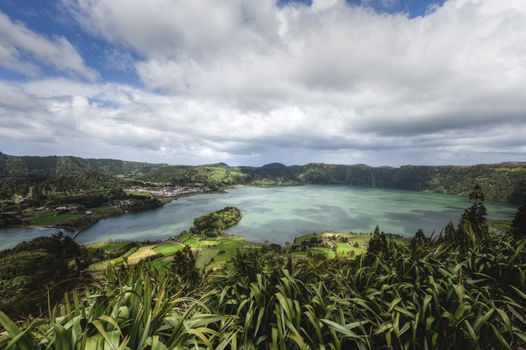
If you've seen photos of the Azores on Instagram — those iconic shots of the Sete Cidades crater lake, the hydrangea-lined roads, the natural hot springs — you might think you know what to expect. But the reality is different in ways that matter.

First: this is not a luxury destination. At least not yet. The hotels are mostly small, family-run affairs. The roads are narrow and winding. English is spoken but not universal. The pace of life is slow — frustratingly slow if you're used to efficiency. A meal at a restaurant can take two hours, and not because the food is slow. That's just how they do things here.

And that's exactly why you should go now, before the inevitable wave of development changes everything.

The Hiking Will Destroy Your Expectations

I'm not an experienced hiker. I do a few miles on weekends, nothing serious. But the Azores turned me into someone who plans trips around trails.

The hike up Mount Pico — the highest peak in Portugal at 7,713 feet — is brutal. It's basically a vertical climb up volcanic scree for three hours. My legs were shaking by the top. But standing at the summit, looking down at the clouds and the other islands of the archipelago, was one of those moments that makes you forget every ache in your body.

The other trails are more accessible. The Lagoa do Fogo trail circles a pristine crater lake with water so clear you can see 30 feet down. The hike along the northern coast of São Miguel passes through forests that feel like they belong in a fantasy novel — moss-covered trees, ferns as tall as a person, the constant sound of water somewhere nearby.

Pro tip: bring proper hiking boots. The volcanic rock is sharp, and I saw more than one person in sneakers slip and get cut.

The Food Is Strangely Amazing

I didn't expect much from Azorean cuisine. Islands are usually limited in what they can produce. But I was wrong.

The cheese is incredible. São Jorge cheese, in particular, is a sharp, hard cheese that I would put up against any Parmesan. The pineapple — yes, they grow pineapple here, in greenhouses heated by geothermal energy — is the sweetest I've ever tasted. And the seafood... the limpets (a type of small abalone) grilled with garlic and butter were a revelation.

The signature dish is cozido das Furnas, a stew cooked using volcanic heat. The locals bury a pot of meat and vegetables in the ground near a geothermal vent, and the steam cooks it for about six hours. The result is tender, flavorful, and unlike anything I've had before.

One thing to know: the portions are huge. Everything comes with rice, potatoes, and vegetables. I gained five pounds in two weeks. Worth it.

The Crowds Are Coming. Go Now.

Here's the thing that made me write this article: the Azores are at an inflection point.

In 2024, the islands saw about 1.5 million visitors. That's up from 500,000 in 2019. New direct flights from the US started in 2023 — Boston, New York, even Oakland. A new airport terminal is being built on São Miguel. Hotel chains are starting to look at the islands.

I spoke to a local innkeeper who's been in the tourism business for 20 years. "Five years ago, I knew every tourist who stayed here," she told me. "Now I can't keep up. The season used to be May to September. Now it's year-round."

She's conflicted. The tourism brings money and jobs. But it's also changing the character of the islands. New construction is happening fast. Some of the old paths are being paved over. The quiet fishing villages are becoming souvenir shops.

I'm not saying the Azores are ruined. Far from it. They're still one of the most beautiful, unspoiled places I've ever been. But the window for experiencing them as they are right now — genuine, slow, a little rough around the edges — is closing.

If you've been thinking about visiting, don't wait. Book the flight. Rent the car. Learn a few phrases in Portuguese. Hike until your legs hurt. Eat the cheese. Sit by the ocean and do nothing.

The Azores won't stay this way forever. But for now, they're still the Europe that most tourists miss. And I'm grateful I got to see it before the secret got out.

TR
Matthew Anderson

We spend hours researching and testing before we write anything. If something changes, we update the article. About our process →