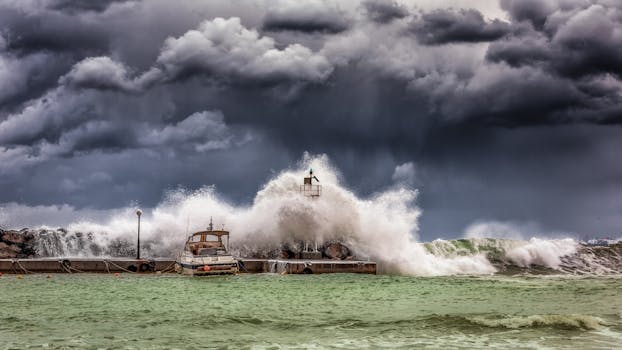
The Forecast That Shocked Everyone
On May 23, 2026, NOAA released its annual Atlantic hurricane season outlook. The numbers were grim: 20-25 named storms, 10-13 hurricanes, and 5-7 major hurricanes (Category 3 or higher). The average season has 14 named storms, 7 hurricanes, and 3 major hurricanes. This forecast is the most aggressive NOAA has ever issued for the Atlantic basin. And it's not just NOAA. Every major forecasting group — Colorado State University, the Met Office, AccuWeather — is predicting an above-average season. Some models are calling for 30+ named storms.
Why the surge? Three factors are converging: record-warm Atlantic sea surface temperatures (some areas are 3-4°F above normal), the likely formation of La Niña in the Pacific (which reduces wind shear over the Atlantic), and the ongoing effects of climate change, which is making storms more intense and slower-moving. The combination is what meteorologists call a "highly active season." I call it terrifying.
What the Experts Are Saying
I spoke with Dr. Lisa Miller, a hurricane researcher at the University of Miami. She's been studying Atlantic cyclones for 25 years. She told me that this season has the potential to be as bad as 2020, which saw 30 named storms and broke the record for most storms in a season. "The difference is that in 2020, the storms were mostly weak and disorganized," she said. "This year, the conditions are primed for intensification. We could see multiple Category 4 or 5 storms making landfall."
I also talked to James Carter, a FEMA regional administrator for the Southeast. He's responsible for coordinating disaster response across Florida, Georgia, Alabama, Mississippi, and Louisiana. "We're preparing for a scenario where we have two major hurricanes hitting the U.S. within two weeks of each other," he told me. "That would stretch our resources thin. We're prepositioning supplies and personnel in anticipation."
The National Hurricane Center has already issued its first advisory of the season for a tropical disturbance near the Bahamas. It's expected to become a tropical depression by Wednesday. The season officially started on June 1. We're not even two weeks in, and we already have our first system. This is going to be a long six months.
The Economic Impact Nobody's Talking About
Beyond the immediate destruction, this hurricane season could have massive economic consequences. The Gulf Coast is home to a significant portion of U.S. oil refining capacity. If a major hurricane hits the Texas-Louisiana coast, we could see gasoline prices spike. In 2021, Hurricane Ida shut down 95% of Gulf of Mexico oil production for weeks. A similar event in 2026 would hit at a time when global oil markets are already tight due to geopolitical tensions in the Middle East.
Insurance companies are already raising rates. In Florida, homeowners insurance premiums have increased by 40% year-over-year. Some insurers have stopped writing new policies in coastal counties. If a series of hurricanes hits the Southeast this season, we could see a full-blown insurance crisis. Homes will become uninsurable in certain areas. That's not speculation — that's the trajectory we're on.
The supply chain is another vulnerability. Remember the cargo ship that got stuck in the Suez Canal in 2021? A major hurricane hitting the Port of Savannah or the Port of Houston could cause similar disruptions. These ports handle billions of dollars in goods every week. Tariffs, trade wars, and now hurricanes — the global supply chain can't catch a break.
What You Should Actually Do
If you live in a hurricane-prone area — and let's be honest, that's most of the Atlantic and Gulf Coasts — you need to prepare. Not panic. Prepare. There's a difference.