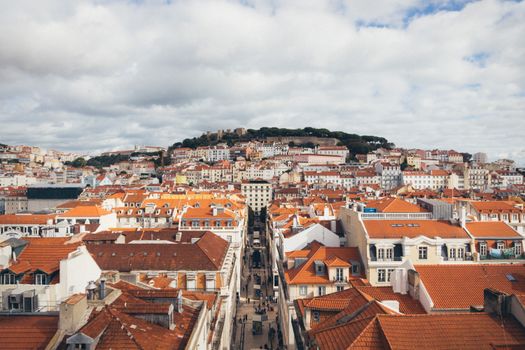
Open any travel blog or YouTube channel, and you'll see the same headline: 'Why I moved to Portugal.' It's become the dream destination for digital nomads, retirees, and anyone looking for a European adventure. Cheap living, good weather, friendly people. But after spending three months living in Lisbon and Porto, I have a more complicated take. Yes, Portugal is lovely. But there are some hard truths you need to know before packing your bags.
The Hype: What's True
Let me start with the good stuff. The weather is genuinely amazing. I spent January in Lisbon, and it was 60°F and sunny. The food is incredible—fresh seafood, pastéis de nata, and wine that costs €3 a bottle. The people are warm, especially if you make an effort to speak Portuguese. And the cost of living is lower than most of Western Europe. I rented a one-bedroom apartment in central Lisbon for €800 a month. That's half of what I'd pay in London or Paris. So the hype is real—to a point.
The Housing Crisis No One Talks About
Here's the ugly truth: locals are struggling. The influx of expats and digital nomads has driven up rents and home prices. I talked to a Lisbon native named Maria who works as a teacher. She told me her rent has doubled in three years. She's now considering moving to the suburbs because she can't afford the city. Meanwhile, luxury apartment buildings are going up everywhere, catering to foreigners. It's creating tension. Some locals resent the newcomers. I felt uncomfortable at times, like I was part of the problem.
The Visa Process Is a Nightmare
Portugal's D7 visa (for passive income) and D8 visa (for digital nomads) sound great on paper. But the bureaucracy is brutal. I spent weeks gathering documents—bank statements, criminal records, tax returns. Then I waited months for an appointment. The system is overloaded. I met a guy from Canada who waited 8 months for his visa. He almost gave up. If you're not patient, this is not for you.
The Language Barrier Is Real
Many young Portuguese speak English, but not everyone. In smaller towns, you'll struggle without Portuguese. Even in Lisbon, government offices, healthcare, and banks often operate in Portuguese. I took language classes, but it's a hard language to learn—the pronunciation is tricky. If you're not willing to learn, you'll feel isolated. I saw expats who lived there for years without making local friends, stuck in an English-speaking bubble.