The Lisbon Gold Rush
If you follow travel or remote work content, you've seen the headlines. Lisbon is the place to be. It's been called the 'new Berlin,' the 'Silicon Valley of Europe,' the 'digital nomad paradise.' Tech workers from San Francisco, London, and Berlin are flocking there. The city's startup scene is booming. Co-working spaces are packed. Rent prices have skyrocketed. And everyone seems to be talking about it.
I was curious. So I booked a month-long stay in Lisbon this spring to see what the fuss was about. I worked remotely, explored the neighborhoods, talked to locals and expats, and tried to figure out if Lisbon is actually as amazing as everyone says. The answer, as with most things, is complicated.
The Good: What Makes Lisbon Special
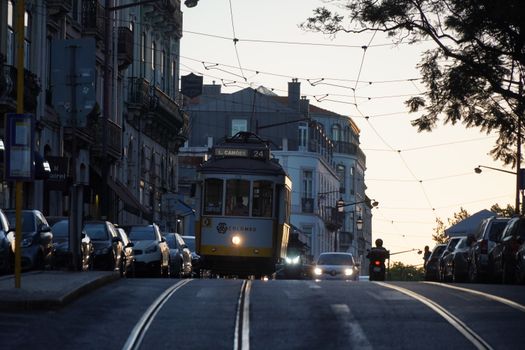
Let's start with the obvious. Lisbon is beautiful. The light is incredible — a soft, golden glow that makes everything look like a movie. The hills, the tiled buildings, the pastel colors, the views of the Tagus River. It's one of the most photogenic cities I've ever visited. The food is fantastic. Pastel de nata for breakfast, grilled sardines for lunch, a glass of vinho verde with dinner. It's hard to eat badly in Lisbon.
The cost of living, while rising, is still lower than most Western European capitals. A decent apartment in a central neighborhood costs around €1,200-€1,500 per month. That's expensive for locals, but cheap compared to London or San Francisco. The weather is mild year-round. The people are friendly, especially if you try speaking Portuguese (even badly). And the city has a relaxed, laid-back energy that's hard to find elsewhere.
The digital infrastructure is excellent. Internet speeds are fast, co-working spaces like Second Home and Cowork Central are full of interesting people, and the time zone is friendly for both US and European clients. For a remote worker, it's almost ideal.
The Bad: The Housing Crisis Is Real
Here's the problem that nobody talks about in the Instagram posts. The influx of digital nomads and foreign investors has pushed rent prices up by 40% in the last five years. Locals are being priced out of their own city. Young Portuguese people can't afford to live in the neighborhoods they grew up in. Entire buildings in the historic center have been converted into short-term rentals for tourists. The feeling on the street is changing. Some locals are resentful. And honestly, I don't blame them.