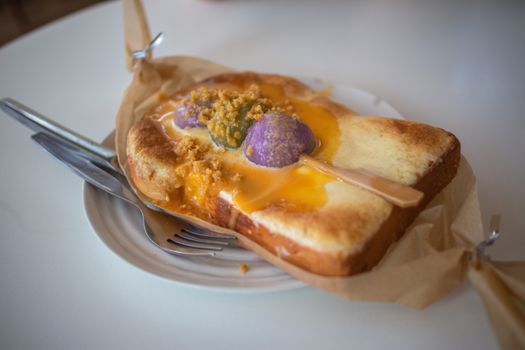
You've probably seen it on Instagram—that vibrant purple pastry that looks almost too pretty to eat. That's ube, the purple yam from the Philippines, and it's having a moment. Cafés in New York, Los Angeles, and even my hometown of Austin are adding ube lattes, ube donuts, and ube ice cream to their menus. I decided to go all in and try as many ube desserts as I could find. Here's what I discovered.
What Exactly Is Ube?
First, let's clear something up. Ube is not taro. Taro is beige with purple specks. Ube is naturally bright purple, and it tastes different—sweeter, with a nutty, vanilla-like flavor. It's been a staple in Filipino cooking for centuries. You'll find it in halo-halo, a shaved ice dessert, or in ube halaya, a sweet jam. But lately, it's being used in everything from cheesecake to croissants.
The Ube Donut Craze
I started with the ube donut from a trendy bakery in Brooklyn called Purple Yam Cafe. It was a glazed yeast donut with a vibrant purple hue. The first bite: soft, airy, with a subtle earthy sweetness. It wasn't overpowering. The glaze had a slight coconut undertone. Honestly, it was one of the best donuts I've ever had. But here's the thing—it was $6. That's steep for a donut. Is it worth it? For a treat, yes. But I wouldn't buy one every week.
Ube Lattes: Hype or Legit?
Next, I hit up a café in LA that specializes in Filipino-inspired drinks. I ordered an ube latte with oat milk. It looked gorgeous—purple swirls against white foam. The taste? Surprisingly mild. The ube flavor was there, but it was subtle, masked by the sweetness of the syrup. I think many places use artificial coloring and flavoring, which ruins it. The best ube latte I found was from a small Filipino-owned shop in San Francisco that used real ube halaya. That one had depth—earthy, nutty, and not too sweet. If you're trying it, ask if they use real ube.