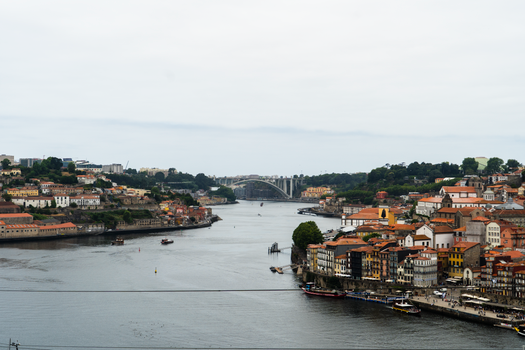
If you've scrolled through Instagram or TikTok in the past year, you've probably seen Porto. The colorful buildings stacked along the Douro River, the iconic Dom Luís I Bridge, the endless glasses of port wine. It's become the poster child for affordable European travel, and the digital nomad crowd has descended on it like seagulls on a dropped croissant.
I spent two weeks in Porto in May 2026, partly as a vacation and partly to understand why everyone I know is either moving there or planning a trip. Here's what I found: Porto is amazing, but it's changing fast. If you want to experience the real Porto, you need to go now — before it becomes another Barcelona.
The Rise of Porto: Why Now?
Porto has always been a beautiful city, but it was overshadowed by Lisbon for years. Then COVID happened, remote work exploded, and people started looking for cheaper alternatives to the usual European hotspots. Porto had everything: stunning architecture, world-class food, a rich cultural scene, and a cost of living that was about 40% lower than Lisbon's.
By 2024, the digital nomad influx was in full swing. By 2026, Porto had become one of the most popular cities in Europe for remote workers. Coworking spaces popped up everywhere, English became common in cafes and restaurants, and the city's vibe shifted from traditional Portuguese to international hipster. It's not a bad thing — but it's a change.
The Good: What Everyone Raves About
Let's start with the obvious. Porto is gorgeous. The old town, Ribeira, is a maze of narrow cobblestone streets lined with colorful buildings that look like they're from a fairy tale. The Douro River cuts through the city, and the views from the bridges are stunning. The port wine cellars in Vila Nova de Gaia are a must-visit — you can tour them, taste the wine, and learn about the history of port production.
The food is incredible, and it's cheap. I had a francesinha — a monstrous sandwich filled with steak, sausage, ham, and melted cheese, covered in a tomato-beer sauce — for €8. It's the kind of meal that should come with a warning label, but it's delicious. The pastéis de nata (custard tarts) are everywhere, and they're better than the ones in Lisbon (controversial, I know).
The people are friendly, even if they're tired of tourists. I met locals who were genuinely happy to share their city, recommending hidden viewpoints and family-run restaurants that weren't in any guidebook. One old man at a local market spent 20 minutes teaching me how to properly eat a sardine. It was charming.
The Bad: What Nobody Talks About
Porto has some problems that the Instagram posts don't show. First, the crowds. In May, which is shoulder season, the main tourist areas were packed. The tram that goes up to the Foz district was so crowded I had to wait for three trams before I could get on. The most popular restaurants had hour-long waits. And the noise — the streets are loud, with constant construction and street musicians competing for attention.