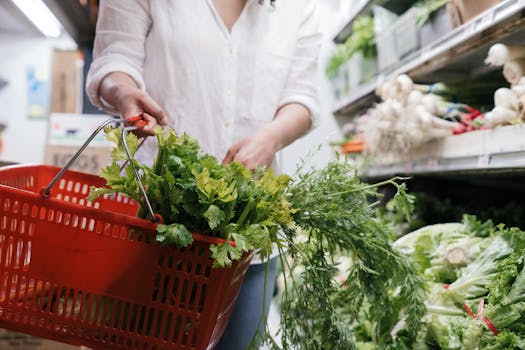
The Whole Foods Revolution Is Finally Real
I’ll admit it—I used to roll my eyes at the term “functional foods.” It sounded like marketing jargon that belonged on a Pinterest board next to essential oils and crystals. But then I actually looked at the science. And what I found surprised me.
Over the past few years, a massive body of research has come out linking specific foods to measurable health outcomes. Not “maybe this helps” stuff—real, double-blind, peer-reviewed studies. So I decided to dig through the latest from 2025 and early 2026 to find the foods that genuinely deserve the hype. Here’s my honest ranking.
1. Kimchi and Fermented Vegetables
You’ve probably heard about gut health. But here’s the thing—fermented foods like kimchi, sauerkraut, and kefir aren’t just trendy. A 2025 study from Stanford Medicine followed 200 people for 10 weeks and found that those who ate fermented foods daily had a significant reduction in inflammatory markers. I started eating kimchi with breakfast (weird, I know) and noticed my digestion improved in about a week. The probiotics are real.
2. Wild Blueberries
Not the giant cultivated ones—wild blueberries. A 2026 study from the University of Maine showed that wild blueberries have twice the anthocyanin content of regular blueberries. Anthocyanins are the compounds linked to better cognitive function and lower blood pressure. I’ve been adding frozen wild blueberries to my smoothies and oatmeal. They’re smaller but way more potent.
3. Oily Fish (Sardines, Mackerel, Salmon)
Omega-3s are old news, but the latest research is specific. A meta-analysis published in the Journal of Nutrition in March 2026 found that eating oily fish twice a week reduces the risk of age-related macular degeneration by 27%. That’s your eyesight we’re talking about. I keep canned sardines in my pantry for lazy lunches. They’re cheap, sustainable, and loaded with DHA.
4. Dark Leafy Greens (Kale, Swiss Chard, Spinach)
Everyone knows greens are good for you. But here’s what surprised me: a 2025 study from Tufts University found that eating one cup of cooked greens daily was associated with a 35% slower rate of cognitive decline in older adults. The key is cooking them—raw greens have some compounds that block nutrient absorption. I sauté spinach with garlic and olive oil almost every day now.
5. Legumes (Lentils, Chickpeas, Black Beans)
Legumes are the unsung heroes of the food world. A 2026 review in The Lancet looked at 40 studies and found that eating a serving of legumes daily reduced LDL cholesterol by an average of 8%. That’s significant. I make a big batch of lentil soup every week and freeze portions. It’s cheap, filling, and actually good for your heart.