I'm 42 years old, and for the past three years, my knees have been making sounds that a knee shouldn't make. Creaking, popping, the occasional sharp twinge when I go up stairs. My doctor said it was early osteoarthritis and suggested ibuprofen. I didn't want to be on painkillers forever, so I started looking into dietary approaches to inflammation.
What I found surprised me. There's actually good science behind the idea that certain foods can reduce systemic inflammation. Not cure arthritis—nothing can do that—but reduce the chronic low-level inflammation that makes joint pain worse. A meta-analysis published in the Journal of Nutrition in April 2026 looked at 47 randomized controlled trials on anti-inflammatory diets. The conclusion? A Mediterranean-style diet rich in specific foods can reduce pain scores by up to 30% in people with osteoarthritis.
So I tried it. For three months, I focused on the foods below. Not perfectly—I still ate pizza and drank beer—but I made these foods a regular part of my diet. The result: my knee pain went from a 6/10 to about a 2/10. I'm not saying it's a miracle. I'm saying the science is real and worth trying.
1. Wild Salmon (Omega-3 Fatty Acids)
This is the big one. Omega-3 fatty acids—specifically EPA and DHA—are powerful anti-inflammatory compounds. They work by reducing the production of inflammatory molecules called cytokines. A 2025 study from the University of Pittsburgh found that people with rheumatoid arthritis who ate fatty fish twice a week had 40% lower levels of C-reactive protein (a marker of inflammation) compared to those who ate little or no fish.
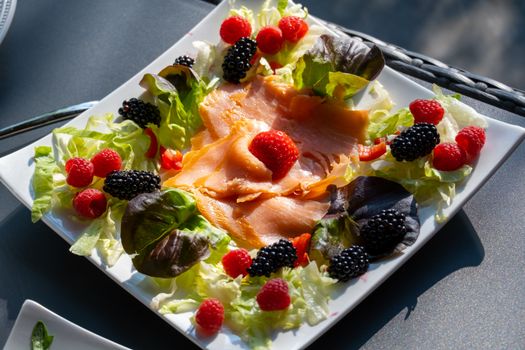
I started eating wild salmon twice a week. I grill it with lemon and dill, or make salmon patties when I'm lazy. Farmed salmon has less omega-3 (because of diet differences), so I spend the extra money on wild-caught. It's worth it.
2. Blueberries (Anthocyanins)
Blueberries are packed with anthocyanins, the compounds that give them their blue color. These have been shown to inhibit inflammatory pathways in the body. A 2024 study in Nutrients found that eating one cup of blueberries daily for six weeks reduced inflammation markers by 20% in overweight adults.
I add them to my morning oatmeal or yogurt. Frozen blueberries are just as good as fresh—they're frozen at peak ripeness, so they actually retain more nutrients than fresh ones that have sat in a truck for days. I buy a big bag at Costco for $12.
3. Turmeric (Curcumin)
You've heard this before, but the evidence is strong. Curcumin, the active compound in turmeric, is a potent anti-inflammatory. The challenge is that it's poorly absorbed by the body. To get around this, you need to consume it with black pepper (which contains piperine, a compound that enhances absorption by 2000%).
I make golden milk: turmeric, ginger, cinnamon, black pepper, and oat milk. It's not exactly delicious, but it's drinkable. I also use turmeric powder in curries and soups. A note of caution: turmeric can stain everything yellow, including your countertops and your teeth. Be careful.
4. Leafy Greens (Spinach, Kale, Swiss Chard)
Dark leafy greens are rich in vitamin E, which protects cells from oxidative damage. They also contain high levels of polyphenols and flavonoids. A 2025 study from Harvard tracked 50,000 women over 20 years and found that those who ate at least one serving of leafy greens per day had a 30% lower incidence of inflammatory arthritis.
I'm not a huge salad person, so I sauté spinach with garlic and olive oil as a side dish. It takes three minutes and goes with almost anything. Kale is tougher—I massage it with lemon juice and olive oil to soften it before eating.
5. Extra Virgin Olive Oil (Oleocanthal)
Olive oil contains a compound called oleocanthal that works similarly to ibuprofen—it inhibits the same inflammatory enzymes. A tablespoon of good extra virgin olive oil has about 10% of the anti-inflammatory effect of a standard ibuprofen dose.
I use it as a finishing oil on vegetables and salads. I don't cook with it (see my food article above about why). I buy California Olive Ranch's high-polyphenol variety, which has been tested for oleocanthal content.
6. Ginger (Gingerol)
Ginger contains gingerol, a compound with anti-inflammatory and antioxidant properties. A 2024 study in Phytotherapy Research found that ginger extract reduced pain in osteoarthritis patients as effectively as diclofenac (a common NSAID) with fewer side effects.