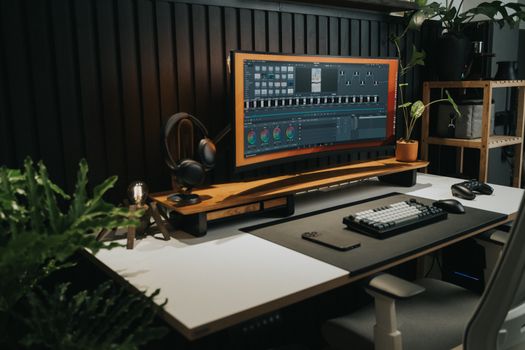
I've been working from home since 2020, like half the world. And for years, I sat in a cheap chair from IKEA, hunched over a laptop, ignoring the growing ache in my lower back. Finally, in late June, I bought a standing desk. The Fully Jarvis, to be specific—the bamboo top version that everyone on Reddit seems to recommend. It arrived on June 25th, and I've been using it for exactly one month.
This is not a glowing review. It's not a takedown either. It's the truth about what happens when you actually use a standing desk for a significant amount of time, the good and the bad.
The Setup: More Complicated Than I Expected
First, the desk itself is great. The bamboo top is beautiful, the motor is smooth and quiet, and the height adjustment range is generous (I'm 6'1", and it goes high enough for me to stand without hunching). Assembly took about an hour, which is standard. The one thing I didn't anticipate: cable management. If you have a lot of cables (monitor, laptop, speakers, phone charger), you need a tray or some zip ties. Otherwise, your desk looks like a pasta dish. I ended up buying a cable management tray from IKEA for $15. Problem mostly solved.
The First Week: My Feet Hated Me
Day one: I stood for four hours straight. By hour three, my feet were throbbing. By hour four, my lower back actually felt worse than when I was sitting. I had read about this—the "adjustment period"—but I thought I'd be fine. I was wrong.
Here's what I learned: you cannot just stand all day. Your body isn't built for it. You need an anti-fatigue mat. I bought one from Ergodriven (the Topo mat, which is designed to encourage micro-movements), and it made a huge difference. The domed surface forces you to shift your weight slightly, which keeps blood flowing and reduces fatigue. But even with the mat, I max out at about two hours of standing before I need to sit down.
The Middle Two Weeks: Finding the Rhythm
By week two, I had settled into a pattern. I stand for 45 minutes, then sit for 30. I use a timer (the Stand Up! app on macOS) to remind me to switch. This rhythm works well. My back pain, which had been a constant companion for months, started to fade. Not disappear, but noticeably improve. The key is movement. If you stand still like a statue, you'll get sore. If you rock, shift, or even walk in place, your body is happier.
I also adjusted my monitor height. The rule of thumb: the top of your screen should be at eye level. I had to buy a monitor arm because my desk's included stand wasn't tall enough. That was another $60. But it's worth it—looking down at a screen while standing is just as bad as looking down while sitting.
The Surprising Benefits: Focus and Energy
The biggest surprise was how much standing affected my focus. Around 2 PM, I used to hit a wall—brain fog, heavy eyelids, zero motivation. Standing helps. Not completely, but enough that I can push through an afternoon of writing without nodding off. There's research backing this up: a 2024 study from the University of Pittsburgh found that standing desks improved cognitive performance in people who alternated between sitting and standing. I'm not a scientist, but I can feel the difference.