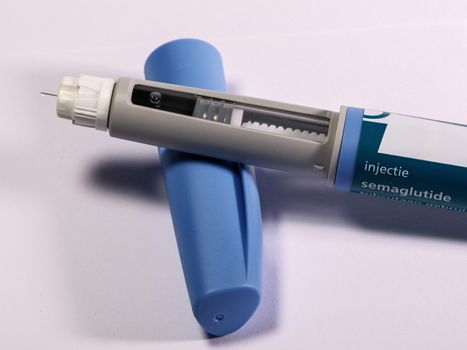
I can't scroll through Instagram without seeing an ad for Ozempic. Or Mounjaro. Or Wegovy. These drugs have become a cultural phenomenon. Everyone's talking about them, everyone's trying to get them, and everyone seems to know someone who lost 30 pounds in three months. My friend Sarah asked me last week if she should ask her doctor for a prescription. She's 35, healthy, and about 20 pounds overweight. She's not diabetic. She just wants an easier way to lose weight.
I didn't know what to tell her. So I did what any responsible person would do—I called my endocrinologist, Dr. Maria Torres, and asked her to explain the science behind these drugs. Then I spent a week reading the latest studies. Here's what you need to know.
How These Drugs Actually Work
Ozempic, Wegovy, and Mounjaro belong to a class of drugs called GLP-1 receptor agonists. They mimic a hormone called glucagon-like peptide-1, which your body naturally produces after eating. This hormone does two things: it tells your brain that you're full, and it slows down gastric emptying, so food stays in your stomach longer. The result is that you feel fuller for longer and eat less. Simple, right? But there's a catch.
The drugs are incredibly effective at reducing appetite. A 2024 study in the New England Journal of Medicine found that patients taking semaglutide (the active ingredient in Ozempic and Wegovy) lost an average of 15% of their body weight over 68 weeks. That's significant. But here's the thing most people don't know: when you stop taking the drug, the weight comes back. A 2025 follow-up study showed that patients regained two-thirds of their lost weight within a year of stopping. So it's not a cure. It's a treatment. You have to stay on it.
The Side Effects Nobody Talks About
Dr. Torres was very clear about this. The side effects are common and can be nasty. Nausea, vomiting, diarrhea, and constipation affect about 40% of users. Some people get severe gastro issues. I read a Reddit thread where people described vomiting so violently that they couldn't keep water down. There's also a risk of pancreatitis, gallbladder disease, and thyroid tumors (in rats, at least). The FDA has a black box warning for thyroid C-cell tumors, though the risk in humans seems low.