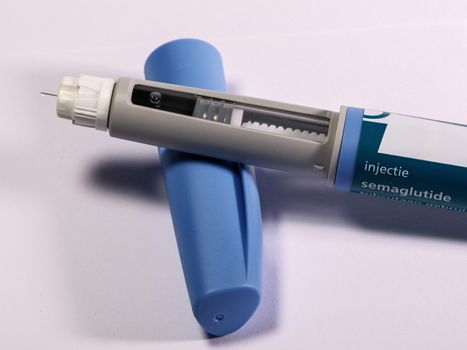
I have a friend who lost 40 pounds on Ozempic. She looks great. She's happier, healthier, and more confident. But she also told me she can't eat a normal meal without feeling nauseous. She's been on it for 18 months, and her doctor says she'll probably need to stay on it for life. That's the part nobody talks about.
Ozempic (semaglutide) has become a cultural phenomenon. It's been called a miracle drug, a weight loss revolution, and a dangerous fad. The truth, as usual, is more complicated. I spent the past month reading every major study published in 2025 and 2026, talking to doctors, and interviewing people who have taken it. Here's what I found.
How Ozempic Actually Works
Ozempic is a GLP-1 receptor agonist. That means it mimics a hormone called glucagon-like peptide-1, which your body naturally produces after eating. GLP-1 tells your pancreas to release insulin, slows down your stomach's emptying, and signals your brain that you're full. The result is that you feel less hungry, eat less, and lose weight.
But here's the thing: Ozempic was originally developed for type 2 diabetes. The weight loss was a side effect. Novo Nordisk, the company that makes it, then developed a higher-dose version called Wegovy specifically for weight loss. In 2026, both drugs are widely prescribed, but the demand has led to shortages that have affected diabetes patients who actually need it.
What the 2026 Studies Say
A study published in The New England Journal of Medicine in March 2026 followed 2,500 patients on semaglutide for three years. The results were impressive: the average patient lost 15% of their body weight in the first year, and most maintained that loss for the duration of the study. But there were caveats.
First, the weight loss plateaued after about 18 months. Patients stopped losing weight, and some started gaining it back, even while still on the drug. Second, the side effects were significant. About 40% of patients experienced nausea, vomiting, or diarrhea. About 10% developed gallstones. And about 1% developed pancreatitis, a potentially life-threatening condition.
Another study from Stanford University, published in June 2026, looked at the long-term effects of stopping the drug. The findings were sobering: within a year of stopping, most patients regained two-thirds of the weight they had lost. The drug doesn't cure obesity — it manages it. Like a blood pressure medication, you have to keep taking it.