If you've been on TikTok recently, you've seen it: people shoving a whole rotisserie chicken into a pita, drenching it in ranch dressing, and calling it 'souvlaki.' There's another version where they wrap a foot-long hot dog in bacon, add french fries and melted cheese, and claim it's 'Greek street food.' I've also seen 'souvlaki tacos,' 'souvlaki burgers,' and even a 'souvlaki pizza.' As someone who actually spent two weeks eating souvlaki in Athens last month, I can tell you: this is not souvlaki. This is an abomination. And I'm here to set the record straight.
What Real Souvlaki Actually Is
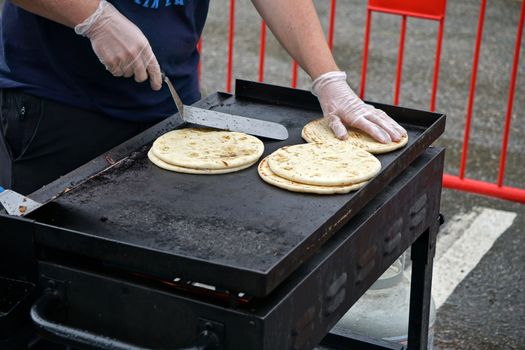
Let's start with the basics. Real souvlaki comes in two main forms: kalamaki (skewered meat, usually pork or chicken, grilled over charcoal) and gyros (meat cooked on a vertical spit, shaved off). Both are served in a warm, fluffy pita with tomatoes, onions, tzatziki sauce, and sometimes french fries. That's it. No ranch. No bacon. No pizza dough. Just simple, honest ingredients that let the meat shine.
The best souvlaki I had was at a tiny shop in the Psiri neighborhood called O Thanasis. It's been there since 1964. The line was out the door at 2 PM. I ordered a pork kalamaki pita, and the guy behind the counter handed it to me wrapped in wax paper. The pita was soft and slightly charred from the grill. The meat was juicy, with a hint of lemon and oregano. The tzatziki was cool and garlicky. It cost €3.50. It was the best thing I ate in Greece.
Compare that to the TikTok 'souvlaki' trend: a massive, soggy mess that's more about shock value than flavor. The whole point of souvlaki is balance. You want a few bites of meat, some crunch from the veggies, and a creamy finish from the sauce. When you overload it with extras, you lose that harmony.
Why the Trend Took Off
The souvlaki trend started, as these things often do, with a viral video. In early June, a TikTok user named @FoodieFrenzy posted a video of himself stuffing an entire rotisserie chicken into a pita, pouring a bottle of ranch dressing over it, and calling it 'the ultimate souvlaki.' The video got 15 million views in a week. Imitators followed, each trying to outdo the other with bigger, messier creations.
It's not just souvlaki, of course. TikTok has done this to other foods too: the 'grilled cheese sandwich' that's actually a pound of cheese between two grilled cheese sandwiches, the 'poke bowl' that's just a pile of raw fish with no rice, the 'paella' that's made in a regular pot instead of a paella pan. The formula is always the same: take a traditional dish, add something ridiculous, film it, and watch the views roll in.
I get it. The algorithm rewards novelty and shock. But there's a downside: people who've never tried real souvlaki now think it's a greasy, over-the-top mess. That's a shame, because real Greek food is nuanced and regional. It's not about excess; it's about quality ingredients handled simply.