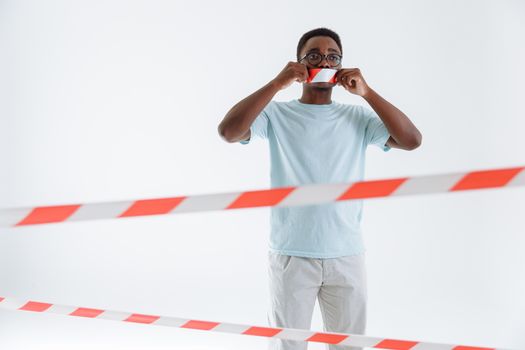
I have a confession: I’m a terrible sleeper. For years, I’ve averaged 5-6 hours of restless, broken sleep. I’ve tried melatonin, white noise, blackout curtains—nothing worked consistently. Then I started seeing videos about “sleepmaxxing” on TikTok. It’s a trend where people optimize every aspect of their sleep environment and habits. The hashtag #sleepmaxxing has 2.3 billion views as of June 2026. I was skeptical, but also desperate. So I decided to try the most popular tips for two weeks. Here’s my honest report.
What I Tried: Mouth Taping
The first trend I saw was mouth taping. People put surgical tape over their lips to force nasal breathing. The theory is that mouth breathing causes snoring, dry mouth, and worse sleep quality. I bought a roll of “Hostage Tape” (a popular brand on Amazon) for $15. It’s a gentle, medical-grade tape with a small slit in the middle so you can breathe a little if needed. The first night was terrifying. I felt like I was suffocating. I lasted two hours and ripped it off. But I read that you should start with just 10 minutes a day while awake. I did that for three days. By night four, I kept it on for 6 hours. By the end of week one, I was sleeping through the night with it. Did it improve my sleep? Honestly, yes. I woke up with less dry mouth and my throat felt less scratchy. My spouse said I snored less. But it’s weird. I only recommend it if you can breathe through your nose easily. If you have allergies or a deviated septum, skip it.
Red Light Therapy
Next up: red light therapy. There are dozens of devices promising to improve sleep by shining red/near-infrared light on your face. I borrowed a friend’s “Joovv Mini” (a $400 panel). The claim is that red light increases melatonin production. I used it for 10 minutes before bed for two weeks. Did it work? I’m not sure. I felt relaxed during the session, but my sleep tracked the same as before. The science is mixed—studies show it helps with circadian rhythm in animals, but human data is weak. I think the relaxation effect is real, but it’s probably not worth the cost. A cheap sunset lamp might do the same.
Magnesium Glycinate and Glycine
Another popular tip: take magnesium glycinate and glycine before bed. I bought a bottle of “Nature Made Magnesium Glycinate” (200 mg) and “Pure Glycine” (3 grams). I took them 30 minutes before sleep. Magnesium glycinate is known for calming the nervous system. Glycine is an amino acid that lowers body temperature, which helps sleep onset. I have to say, this combo worked. I fell asleep faster—about 15 minutes instead of my usual 45. I also woke up less often. My Oura ring showed my sleep efficiency went from 78% to 86%. That’s a big jump. I’ve continued taking them even after the experiment. The total cost is about $0.50 per day. Highly recommended.