🍽️ Food

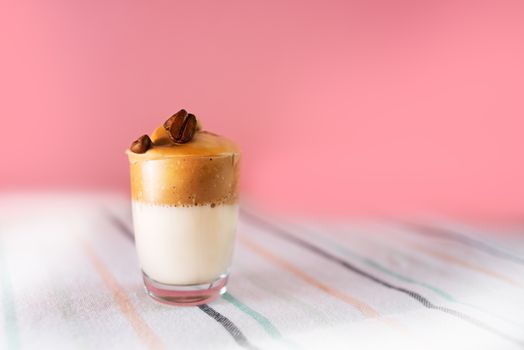
The Return of the Dalgona Coffee: Why This 2020 Trend Is Back and Better

The Return of the Dalgona Coffee: Why This 2020 Trend Is Back and Better

I remember the summer of 2020. Everyone was stuck at home, and TikTok was flooded with videos of people whipping instant coffee, sugar, and water into a frothy cloud. Dalgona coffee was born. It was a fun distraction, but I thought it was a one-hit wonder. Fast forward to June 2026, and I'm seeing it everywhere again. But this time, it's different. The new wave of dalgona coffee is more sophisticated, with better ingredients and creative variations. I decided to try five different versions to see which ones are worth the hype.

Why Is It Back?

I think the resurgence is a combination of things. First, nostalgia. The pandemic was a weird time, and people are feeling nostalgic for the simple pleasures. Second, TikTok is still the king of food trends, and influencers are rediscovering the aesthetic appeal of the whipped coffee. But the third reason is the most interesting. Coffee culture has evolved. People are more knowledgeable about beans and brewing methods. The new dalgona is made with real espresso or cold brew instead of instant coffee. The texture is smoother, and the flavor is richer.

Version 1: The Classic (Instant Coffee)

I started with the original recipe as a baseline. Two tablespoons of instant coffee, two tablespoons of sugar, and two tablespoons of hot water. Whisk until stiff peaks form. It took me about five minutes with a hand whisk. The result was a thick, mousse-like foam that floated on top of cold milk. The flavor was sweet and slightly bitter. It's fine, but it's not great. The instant coffee has a harsh taste that doesn't mix well. I remember why I stopped making this after a week in 2020.

Version 2: The Espresso Upgrade

This time, I used a shot of espresso instead of instant coffee. I brewed a double shot, let it cool, and then whisked it with sugar. The difference was night and day. The foam was lighter and more velvety. The flavor was complex, with notes of chocolate and caramel. The espresso gave it a depth that the instant version lacks. This is the version I'd recommend for anyone who wants to try the trend. It's genuinely delicious.

Version 3: The Matcha Twist

I saw a video where someone made a green version using matcha powder. I was skeptical, but I tried it. I whisked matcha powder with hot water and a bit of honey. The foam was less stable than the coffee version, and it deflated quickly. The flavor was grassy and slightly sweet. It's not bad, but it's not as satisfying as the coffee version. The matcha flavor is too subtle for the amount of foam. I'd skip this one.

Version 4: The Cold Brew Froth

This is the version that surprised me. Instead of hot water, I used cold brew concentrate. The foam was differentβ€”lighter and more aerated. It had a wonderful coffee flavor without the bitterness. I topped it with oat milk and a sprinkle of cinnamon. It was refreshing and not too sweet. This is my new go-to for summer mornings. It's perfect for iced coffee lovers.

Version 5: The Savory Dalgona

Yes, you read that right. I found a recipe that uses miso paste instead of sugar. It's a savory version of the foam. The miso gives it an umami flavor that pairs surprisingly well with coffee. I was hesitant, but I tried it. It's weird. It's not bad, but it's not something I'd make regularly. It's more of a curiosity. If you're adventurous, give it a shot. But stick with the sweet versions for everyday drinking.

The Verdict: Is It Worth the Hype?

I think the new dalgona coffee is worth trying, but only if you use good ingredients. Skip the instant coffee. Use espresso or cold brew. The foam is a fun texture, but it's not a revolution. It's a novelty. I'll probably make the cold brew version again, but I won't be whipping foam every morning. It's too much effort for a weekday. But for a lazy Sunday or a party, it's a hit. The return of dalgona is a pleasant surprise, but I hope the next trend is something more practical. Like a coffee maker that cleans itself.

TR
Samantha Cole

We spend hours researching and testing before we write anything. If something changes, we update the article. About our process β†’