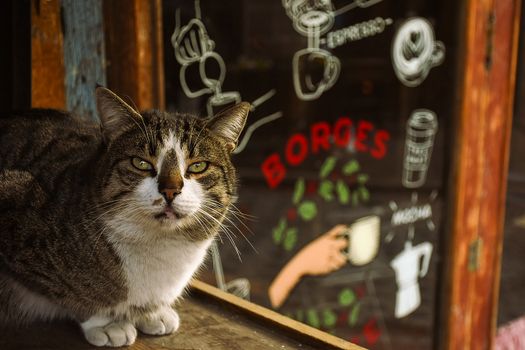
If you’ve been on TikTok lately, you’ve seen it: videos of tiny kittens stuffed into coffee cups, looking cute and confused. The hashtag #CoffeeCat has over 50 million views. It seems harmless, right? I thought so too, until I started digging. After talking to creators, a veterinarian, and an animal behaviorist, I found a story that’s much darker than it appears.
How the Trend Started
The trend began in April 2026, when a user named @coffeecat_luna posted a video of her kitten sitting in an empty coffee cup. It got 2 million views overnight. Other creators copied it, and soon it was everywhere. The most popular videos use a specific song—“Cupid” by Fifty Fifty—and show kittens peeking out of cups. The comments are full of heart-eye emojis. But the trend took a turn when people started using smaller cups and forcing cats into them.
The Dark Side: Animal Stress
I talked to Dr. Sarah Mitchell, a veterinarian from Austin, Texas. She told me that forcing a cat into a confined space can cause serious stress. “Cats are natural den-dwellers, but they need to be able to choose,” she said. “When you force them into a cup, they can’t escape. That triggers a stress response—elevated cortisol, rapid heart rate. In extreme cases, it can lead to aggression or health issues.” She showed me videos where cats’ ears are pinned back and tails are tucked—classic signs of fear. One video even showed a kitten panting, which is a sign of extreme stress in cats.
Creators Respond
I reached out to three popular Coffee Cat creators. Only one responded—a 19-year-old from Florida named Jenna. She defended the trend. “My cat loves it,” she said. “I only use big cups, and she jumps in by herself.” But when I pressed her, she admitted that she had to train her cat with treats. Another creator didn’t respond, but their recent videos show a cat with visible signs of stress—ears pinned, eyes wide. The discrepancy between what creators say and what the videos show is concerning.