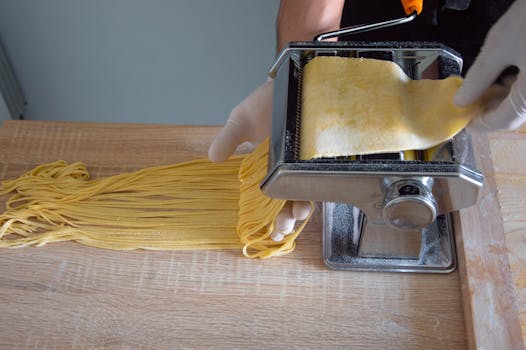
I love pasta. Not in a casual way — I mean, I've driven 45 minutes for a specific cacio e pepe. But my homemade pasta always had this issue: it was either too chewy (in a bad way) or too soft, like wet cardboard. I assumed I needed better technique or more expensive equipment. So I spent a month testing every variable I could think of. The results changed how I cook.
If your homemade pasta tastes "off," it's probably one of these five things. And no, you don't need a bronze die extruder or a KitchenAid attachment.
1. You're Using the Wrong Flour
This is the biggest mistake I made. Most recipes call for "00" flour (doppio zero), which is finely ground Italian flour. I used it for years, assuming it was the gold standard. But here's the thing: 00 flour has a lower protein content (around 11.5%) than all-purpose flour (around 12%) or bread flour (around 13%). That protein matters for gluten development, which gives pasta its structure.
I tried making egg pasta with bread flour and it was a revelation. The dough was easier to knead, rolled out without tearing, and the finished pasta had a pleasant springiness. Then I tried a blend — 50% bread flour, 50% 00 flour — and it was even better. The 00 gives tenderness, the bread flour gives chew.
The lesson: don't blindly follow the recipe. Adjust the flour to the texture you want. For delicate filled pastas like ravioli, use more 00. For hearty shapes like pappardelle, use more bread flour.
2. You're Overworking the Dough (or Underworking It)
I used to knead my pasta dough until it was smooth and elastic — like bread dough. That's wrong. Pasta dough should be kneaded until it's just smooth and slightly springy, not completely elastic. Over-kneading develops too much gluten, making the pasta tough and rubbery.
The test: after kneading for about 8 minutes, let the dough rest for 30 minutes. If it springs back slowly when you poke it, you're good. If it snaps back immediately, you overworked it. If it doesn't spring back at all, you underworked it.
I learned this the hard way after making a batch of fettuccine that could have doubled as shoelaces.
3. You're Not Resting the Dough Long Enough
Resting is not optional. It's essential for two reasons: it relaxes the gluten (making the dough easier to roll) and it allows the flour to fully hydrate. I used to rest my dough for 20-30 minutes, thinking that was enough. Then I tried resting for a full hour, wrapped tightly in plastic wrap. The difference was night and day.
The rested dough rolled out much smoother, with fewer bubbles and tears. It also tasted better — the starches had time to break down, creating a more complex flavor. If you're making pasta after work, rest it in the fridge overnight. It's even better the next day.