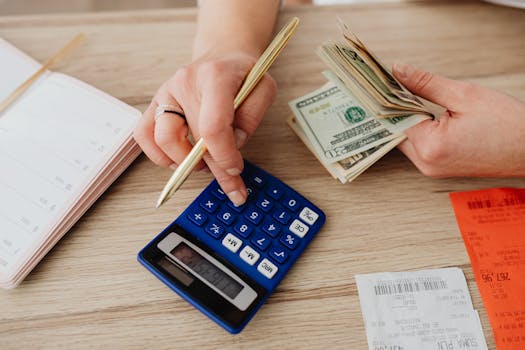
I have a confession. I spend way too much money on things I don't need. Last year, I calculated my Amazon spending and nearly fainted. $3,600 on random gadgets, impulse buys, and stuff I used once and forgot about. A pasta maker. A portable espresso machine. A robot vacuum that I returned after three days because it kept getting stuck under my couch. I'm not proud of it.
So when I started seeing TikTok videos about the "no buy year" trend, I was intrigued. The hashtag #nobuyyear has over 2 billion views on TikTok as of June 2026. The idea is simple: you decide not to buy anything non-essential for a whole year. No new clothes, no takeout, no gadgets, no home decor. You're allowed to buy food, toiletries, and essentials. Everything else is off limits. I decided to try it for three months as a test. Here's how it went.
The Rules I Set for Myself
I'm not a monk. I knew I'd need some flexibility. So I set clear rules. I could buy groceries, toiletries (shampoo, soap, toothpaste), medications, and gas. I could also spend money on experiences—dinner with friends, concert tickets, travel. But I couldn't buy any physical items that I didn't absolutely need. No new clothes, no books (I have a library card), no kitchen gadgets, no electronics, no home improvement stuff. I also banned takeout and coffee shops. I'd make my own coffee at home.
I started on March 1st, 2026. The first week was easy. I was motivated. I felt virtuous. I made my own lunch every day and felt smug about it. But by week two, I was struggling. I walked past a bookstore and saw a new release I'd been waiting for. My hand literally reached for the door before I stopped myself. I felt a physical craving to buy it. That was the first sign that I had a problem.
The Cravings Were Real
I started noticing how much of my day was spent thinking about buying things. Scrolling Amazon, checking sales, window shopping online. Without that outlet, I felt bored. I had to find other ways to fill my time. I started reading more. I went for walks. I called friends instead of texting. I discovered that boredom is a trigger for consumerism—if you're bored, you buy something to feel better. When I removed buying from the equation, I had to sit with the boredom. It was uncomfortable at first, but it got easier.
By month two, I had saved about $1,200. That felt good. But I also noticed something strange—I started appreciating what I already had. My old jeans felt comfortable. My coffee maker, which I'd been thinking of replacing, made perfectly good coffee. I repaired a hole in my favorite sweater instead of throwing it away. It sounds corny, but I felt more connected to my stuff. I was using it, not just accumulating it.