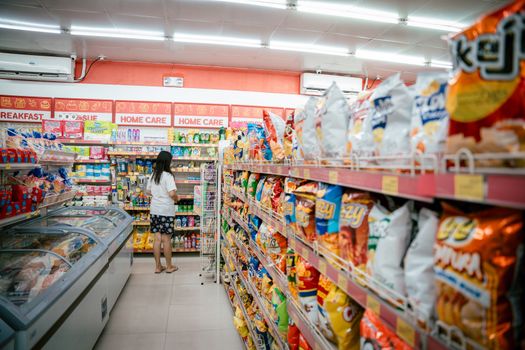
I'll admit it: I'm a sucker for convenience. My pantry is stocked with protein bars, instant oatmeal packets, frozen pizzas, and bags of chips. I work from home, and when I'm on a deadline, the last thing I want to do is spend 45 minutes chopping vegetables and cooking a meal from scratch. Processed food has been my crutch for years.
But last Thursday, the World Health Organization (WHO) released a comprehensive report that stopped me cold. The report, published in The BMJ, analyzed 45 meta-analyses covering nearly 10 million participants. The conclusion was stark: high consumption of ultra-processed foods (UPFs) is linked to 32 different health conditions, including cardiovascular disease, type 2 diabetes, certain cancers, depression, and early death.
I'm not a hypochondriac. I don't jump on every health scare that makes headlines. But this report was different. It was massive. It was rigorous. And it made me take a hard look at what I've been putting into my body.
What Exactly Is Ultra-Processed Food?
Before we go further, let's define the term. The WHO report uses the NOVA classification system, which divides foods into four categories:
Group 1: Unprocessed or minimally processed foods — fresh fruits, vegetables, meat, fish, eggs, milk, grains.
Group 2: Processed culinary ingredients — oils, butter, sugar, salt, vinegar.
Group 3: Processed foods — foods made by adding Group 2 ingredients to Group 1 foods. Think canned vegetables with salt, cheese, freshly baked bread, cured meats like ham.
Group 4: Ultra-processed foods — industrial formulations made mostly from substances extracted from foods (oils, fats, sugars, starches, proteins) and additives like preservatives, sweeteners, emulsifiers, and artificial colors. These are foods you wouldn't find in a home kitchen. Think sodas, chips, packaged cookies, instant noodles, frozen meals, chicken nuggets, breakfast cereals, protein bars, and most plant-based meat alternatives.
The key distinction is that UPFs are designed to be hyper-palatable — engineered to hit your brain's reward centers and make you want to eat more. They're also stripped of the fiber, vitamins, and minerals that whole foods provide.
What the WHO Report Actually Found
The report was a meta-review, meaning it looked at the existing body of research and synthesized the results. The findings were consistent across multiple studies and populations. Here are the headline numbers:
People with the highest intake of UPFs had a 21% higher risk of death from any cause compared to those with the lowest intake. The risk of cardiovascular disease death was 33% higher. The risk of type 2 diabetes was 30% higher. The risk of depression was 22% higher. The risk of colorectal cancer was 12% higher.
These numbers are adjusted for other factors like smoking, physical activity, and socioeconomic status. The association is strong and consistent. The report's authors wrote that "convincing evidence shows that higher UPF consumption is associated with increased risks of adverse health outcomes."
The report also highlighted the mechanisms behind these effects. UPFs tend to be energy-dense but nutrient-poor. They're low in fiber and protein, which means they don't make you feel full. They're high in added sugars, unhealthy fats, and sodium. But beyond that, some additives — like emulsifiers and artificial sweeteners — may directly harm the gut microbiome, increasing inflammation and metabolic dysfunction.
How I Used to Eat: A Confession
I tracked my food intake for three days before reading the report. It was embarrassing. Here's a typical day:
Breakfast: A protein bar (UPF) and a cup of coffee with artificial creamer (UPF).
Lunch: Instant ramen noodles (UPF) with a boiled egg (not UPF) and some sriracha (UPF).
Snack: A bag of potato chips (UPF) and a Diet Coke (UPF).
Dinner: A frozen pizza (UPF) with a side salad (dressing was UPF).
Dessert: A bowl of ice cream (UPF).
Look at that. Almost everything I ate was ultra-processed. The only exceptions were the egg and the salad greens. Everything else was a product of industrial formulation. I was essentially eating food designed in a lab, and I felt like garbage most of the time — bloated, lethargic, and mentally foggy.
The First Week: What I Changed
After reading the report, I decided to make a drastic change. My goal: no ultra-processed foods for at least 30 days. No protein bars, no chips, no frozen meals, no soda. I'd cook everything from whole ingredients.
Day one was rough. I woke up craving a protein bar. I made oatmeal instead (rolled oats, milk, cinnamon, and banana). It took 10 minutes. It was fine. Not exciting, but fine.
Lunch was a chicken breast (seasoned with salt, pepper, and olive oil) with roasted vegetables and quinoa. That took 30 minutes to prepare. I made extra for the next day.
Dinner was a stir-fry with broccoli, bell peppers, and shrimp, served with brown rice. The hardest part was chopping the vegetables. Once they were prepped, cooking took 10 minutes.
The first three days, I felt hungry a lot. I craved the salt and sugar hit of my usual snacks. I ate apples and almonds instead. By day four, the cravings started to fade. By day seven, I felt noticeably better. My energy levels were steadier. I wasn't crashing at 3 PM. My digestion improved. My skin looked clearer.
The Hidden Sources of UPFs I Didn't Expect
One thing I learned quickly: UPFs are everywhere, even in foods that seem healthy. I had to read labels carefully. Some of the worst offenders:
Plant-based milks: Many brands contain emulsifiers, gums, and added sugars. I switched to unsweetened oat milk with minimal ingredients.
Bread: Most supermarket bread is UPF, with added sugars, preservatives, and dough conditioners. I found a local bakery that makes bread with just flour, water, salt, and yeast.
Salad dressings: Almost all bottled dressings are UPF. I started making my own with olive oil, vinegar, mustard, and herbs. It takes 30 seconds.
Yogurt: Flavored yogurts are loaded with sugar and thickeners. I switched to plain Greek yogurt and add fresh fruit.
Condiments: Ketchup, mayonnaise, and barbecue sauce are all UPF. I found a brand that uses simple ingredients (Heinz's Simply line for ketchup, Primal Kitchen for mayo).
It's a lot of label-reading at first. But after a week, you learn which brands to buy and which to avoid.
Is It Sustainable? My Honest Take After Two Weeks
I'm two weeks into my no-UPF experiment. Full disclosure: I've slipped a couple times. I had a handful of chips at a party, and I ate a granola bar when I was running late. But overall, I've stuck to it about 90% of the time.
The benefits are real. I've lost four pounds without trying. My sleep has improved. I wake up feeling more rested. My afternoon brain fog is gone. I'm saving money because I'm not buying expensive packaged snacks.
The downsides are mostly about convenience. Cooking from scratch takes more time. I have to plan meals in advance. Eating out is harder because restaurant food often contains UPFs (especially in sauces and dressings). I've had to bring my lunch to work more often.
But here's the thing: I don't miss the old food as much as I thought I would. The first week was hard, but now I genuinely prefer the taste of real food. A ripe peach tastes better than a fruit snack. A chicken breast seasoned with herbs tastes better than a chicken nugget. The hyper-palatability of UPFs is designed to override your natural satiety signals. Once you stop eating them, your taste buds reset. Food starts to taste like itself again.
What the Critics Say
Not everyone agrees with the alarm over UPFs. Some researchers argue that the NOVA classification is too broad, lumping together foods that have different health impacts. A bowl of sugary cereal and a plant-based burger patty are both classified as UPF, but they're not equally harmful.
There's also the question of socioeconomic factors. UPFs are cheap and convenient. Telling people to avoid them ignores the reality that many families don't have the time, money, or access to cook from scratch. The WHO report acknowledged this, calling for policy changes — taxes on sugary drinks, subsidies for fresh produce, better labeling — rather than just individual responsibility.
I think these are valid points. Not everyone can afford to buy organic vegetables or spend an hour cooking dinner. But I also think the average person can make small changes. Swap soda for water. Eat an apple instead of a fruit roll-up. Cook one extra meal at home per week. The all-or-nothing approach is a trap. Progress, not perfection.
My Plan Going Forward
I'm going to continue my no-UPF experiment for the full 30 days. After that, I'll probably reintroduce some convenience foods — maybe the occasional bag of chips at a party or a frozen pizza on a busy night. But I'll be more mindful. I'll read labels. I'll prioritize whole foods.
The WHO report scared me, but in a good way. It made me realize that my diet was slowly damaging my health. I wasn't eating poison — I was just eating too many foods designed to be eaten in excess. The solution isn't to be perfect. It's to be aware. And now I am.
If you're reading this and thinking about making a change, start small. Swap one UPF meal per day for a whole-food meal. See how you feel after a week. You might be surprised.