How I Got Here
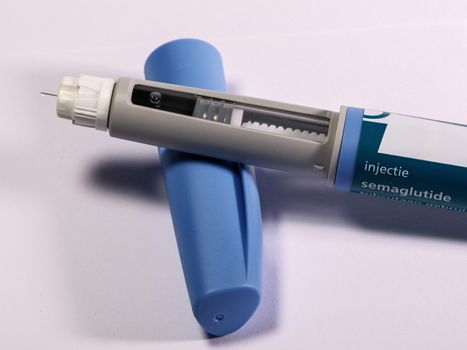
Let me be clear: I'm not a doctor. I'm just a guy who struggled with his weight for years and decided to try something new. After reading about GLP-1 receptor agonists (the class of drugs that includes Ozempic, Wegovy, and Mounjaro), I talked to my doctor. She recommended Mounjaro (tirzepatide) because it targets two hormones instead of one.
That was three months ago. I've lost 25 pounds. My blood sugar is normal. And I've learned a lot about what this drug does — and doesn't do.
What Is Mounjaro?
Mounjaro is a once-weekly injectable drug approved for type 2 diabetes and, more recently, for weight loss. It's made by Eli Lilly. It works by mimicking two hormones — GLP-1 and GIP — that tell your brain you're full and slow down digestion. The result: you eat less, feel fuller longer, and lose weight.
It's not a magic bullet. You still need to eat well and exercise. But it makes it easier. The food noise (that constant craving for snacks) quiets down. I went from thinking about food all day to forgetting to eat. It's wild.
The First Month: Side Effects Are Real
The first week was rough. I started on 2.5 mg, the lowest dose. Within hours of my first injection, I felt nauseous. Not terrible, but like a mild car sickness that wouldn't go away. It lasted two days.
Then came the sulfur burps. Nobody warned me about this. Your digestion slows down, so food sits in your stomach longer. When it ferments, it produces gas that smells like rotten eggs. It's disgusting. I had them for about a week. They went away as my body adjusted.
Other side effects: constipation (a big one — I take fiber supplements now), mild headache, and fatigue. Nothing unmanageable, but it's not a walk in the park.
The Second Month: The Weight Starts Coming Off
By week four, I moved up to 5 mg. The nausea was gone. The burps were gone. And the weight loss kicked in. I lost 8 pounds in the second month alone. The scale moved down consistently, about 2 pounds per week.
But here's what I noticed: I wasn't hungry. Like, at all. I'd have a protein shake for breakfast, a small salad for lunch, and a sensible dinner. I wasn't craving junk food. I wasn't thinking about snacks. It felt like a switch had been flipped in my brain.
I also started exercising. Nothing crazy — just walking 30 minutes a day and light weight training. The Mounjaro gave me the energy and motivation to move. I wasn't dragging myself through workouts.
The Third Month: Real Results
After three months, I'm down 25 pounds. My BMI went from 31 (obese) to 27 (overweight). My blood pressure dropped. My A1C (blood sugar) is normal. I feel lighter, healthier, and more confident.
But I also know this is just the beginning. Studies show that most people regain weight after stopping Mounjaro. It's not a cure — it's a tool. You have to build habits that stick. I'm working with a dietitian and a therapist to address the emotional eating that got me here in the first place.
The Cost: Insurance Is a Nightmare
Let's talk about money. Mounjaro without insurance costs about $1,200 per month. With insurance, it's often $25-$50. But getting insurance to cover it for weight loss is a battle. Many plans require you to try other drugs first, or they only cover it for diabetes.
I was lucky — my insurance covers it with a prior authorization. But I've talked to people who pay out of pocket. It's not sustainable for most of us. There's a legitimate conversation happening about drug pricing and access. This is a game-changer for many people, but only if they can afford it.
The Dark Side: What I'm Worried About
I'm not naive. There are real concerns with these drugs. Long-term safety data is still limited. There are risks of pancreatitis, gallbladder issues, and thyroid tumors (rare, but serious). And there's the psychological impact — some people develop disordered eating because they're never hungry.
I also worry about the culture around these drugs. There's a stigma that you're "cheating" by using medication. I've heard it from friends and family. "Just eat less and exercise." As if I hadn't tried that for 20 years. Obesity is a chronic disease. It deserves medical treatment.
The Verdict
Mounjaro changed my life. I'm healthier, happier, and more confident. But it's not a silver bullet. It's a tool that I'm using alongside better habits and professional support. If you're considering it, talk to your doctor. Be honest about your history. And be prepared for the side effects — especially the burps.
We're in a new era of weight loss treatment. For the first time in my life, I feel like I have control. That's worth more than any number on the scale.