I’ve always been a bad sleeper. Like, really bad. I average about 5.5 hours a night, fueled by coffee and stubbornness. I’ve told myself it’s fine—I’m productive, I’m healthy, I don’t need that much sleep. Plenty of successful people are short sleepers, right?
Then I read the study published on June 22, 2026, in the journal Nature Human Behaviour, and I feel personally attacked.
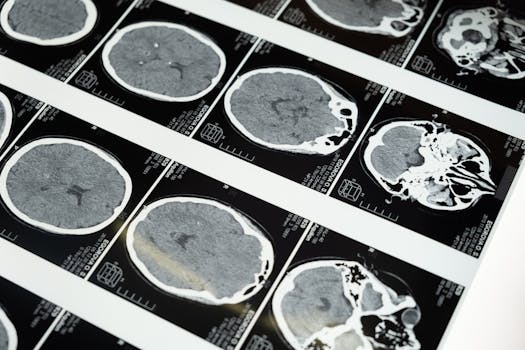
The study, led by Dr. Yuki Tanaka at the University of Tokyo, followed 48,000 adults over 10 years. They used actigraphy watches to track actual sleep (not self-reported, which is notoriously inaccurate) and did brain scans every two years. The findings? Stark. And they challenge everything we thought we knew.
The Sweet Spot: 7.3 Hours
The researchers found that the optimal amount of sleep for preserving brain volume and cognitive function is exactly 7.3 hours per night. Not 8. Not 6. 7.3. People who slept 7-7.5 hours had the slowest rate of brain shrinkage and the best scores on memory, processing speed, and executive function tests.
Here’s where it gets interesting: people who slept less than 6 hours showed accelerated brain aging equivalent to 3-4 years per decade. But people who slept more than 8.5 hours? They also showed accelerated decline—worse than the short sleepers. Too much sleep, it turns out, is also bad. The relationship is U-shaped. There’s a narrow window.
Why This Study Is Different
Most sleep studies rely on self-reporting. You know, “how many hours did you sleep last night?” Problem is, people lie. They overestimate. They forget wake-ups. This study used actigraphy—wrist-worn devices that measure movement and light—for an entire week each year. That’s 48,000 people times 10 years times 7 days. That’s a lot of data.
They also controlled for everything: age, sex, BMI, exercise, smoking, alcohol, depression, even socioeconomic status. The sleep-brain connection held up regardless. It’s not that sick people sleep poorly—it’s that poor sleep makes you sick.
The Scariest Finding: No Recovery Sleep
Here’s the part that kept me up last night (ironically). The researchers found that people who consistently slept 5-6 hours during the week but tried to “catch up” on weekends did not recover their brain volume. The damage was cumulative and irreversible. That weekend sleep-in? It’s not helping your brain. At all.
I’ve been doing exactly that for a decade. Great.
What About Naps?
I asked the same question. The study included nap data, and the results are mixed. Naps under 30 minutes were neutral—neither helpful nor harmful. Naps over 90 minutes were associated with worse brain health, possibly because they disrupted nighttime sleep. The sweet spot? A 45-minute nap, but only if you’re actually sleep-deprived. If you’re getting 7.3 hours at night, napping doesn’t help.
What This Means for You
If you’re like me and you’ve been running on 6 hours, this study is a wake-up call (pun intended). The damage is slow but real. Brain shrinkage is linked to dementia, depression, and cognitive decline. It’s not just about feeling tired—it’s about your long-term brain health.