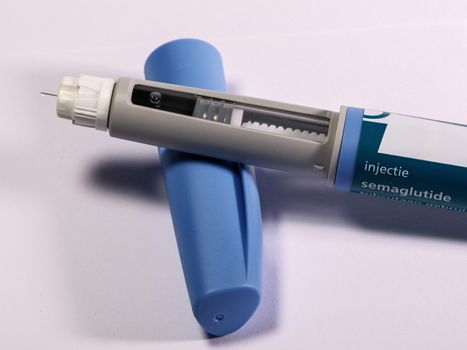
A new study published in The New England Journal of Medicine on June 14, 2026, has everyone buzzing. It's the largest long-term study on semaglutide (the active ingredient in Ozempic and Wegovy) ever conducted, with over 20,000 participants tracked for four years. The headline results are impressive: average weight loss of 22.5% of body weight over 18 months, sustained for the full four years. But there's more to the story. I've read the study, talked to a doctor friend, and here's what you actually need to know.
The Good News
Let's start with the positives. The study confirmed that semaglutide is incredibly effective for weight loss. The average participant lost over 50 pounds. That's life-changing for many people. The study also found significant improvements in cardiovascular health—reduced blood pressure, lower cholesterol, better blood sugar control. The risk of heart attack and stroke dropped by 20% in the treated group compared to the placebo group. That's a big deal. For people with obesity and related health issues, this drug can genuinely save lives.
The Not-So-Good News
But here's the thing the headlines aren't shouting about: side effects. Gastrointestinal issues were common—nausea in 60% of participants, vomiting in 30%, diarrhea in 25%. Most of these subsided after the first few weeks, but 15% of participants stopped the drug because of side effects. There's also a rare but serious risk of pancreatitis, gallstones, and kidney injury. The study found a small increase in thyroid cancer risk—about 0.5% versus 0.2% in the placebo group. That's rare, but it's worth knowing. And then there's the cost. Ozempic costs about $900 a month without insurance. Even with insurance, copays can be $200-400. That's not affordable for most people.
The Long-Term Question
Here's what keeps me up at night. The study followed people for four years. But what happens when you stop? Previous research suggests that most people regain the weight within a year of stopping the drug. That means this is likely a lifetime medication. Is that a good thing? For some people, yes—if the benefits outweigh the risks and costs. But we don't have data on 10 years, 20 years, or lifetime use. We don't know the long-term effects on the pancreas, kidneys, or thyroid. The study is promising, but it's not a final answer.