Is Santorini Still Worth Visiting in 2024?
Every year, the headlines get worse: "Santorini Overrun by Tourists," "Locals Protest Cruise Ship Invasion," "Oia is a Human Traffic Jam." I read these articles and wondered: is it even worth going anymore? But then I saw flight deals to Athens for under $600 round trip from the US, and I decided to find out for myself.
I booked a two-week trip to Santorini in early June — just before the peak summer season. I stayed in three different areas: Fira, Oia, and the lesser-known village of Pyrgos. I hiked the caldera, swam in volcanic hot springs, ate at family-run tavernas, and tried to escape the crowds. Here's what I discovered: Santorini is still magical — but you have to know where to look.
The Reality of the Crowds (And How to Beat Them)
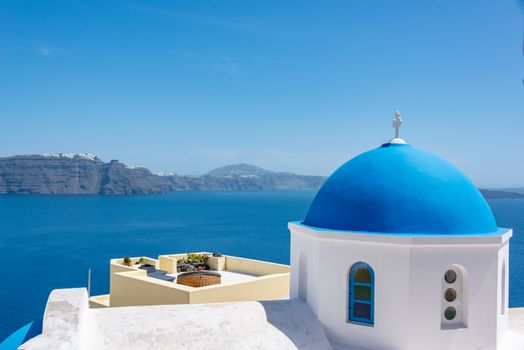
Let's get the bad news out of the way. Oia at sunset is a nightmare. People start claiming spots on the castle ruins as early as 4 PM for an 8 PM sunset. The streets are packed shoulder-to-shoulder, and the famous blue-domed churches are surrounded by selfie sticks. It's not relaxing; it's stressful.
But here's the thing: you don't have to be there. I watched the sunset from a small chapel near the village of Imerovigli, about a 20-minute walk from Fira. There were maybe 15 other people there. The view was identical to the one in Oia, minus the crowds. I also found a hidden viewpoint near the Skaros Rock hike — a short trail that takes you above the caldera with panoramic views. Go at golden hour (around 6 PM) and you'll have it mostly to yourself.
If you want the Oia sunset experience without the chaos, book a table at a restaurant with a caldera view. Places like Ammoudi Fish Tavern or Sunset Taverna (both in Oia) offer sunset dining with a reservation. It's expensive — expect $50-80 per person — but you get a front-row seat without standing in a crowd for four hours.
Cruise ships are the main culprit. Santorini sees up to 8,000 cruise passengers per day in peak season. Check the Santorini Cruise Ships Schedule online and avoid days when 4+ ships are docked. I planned my trip around this and had much better experiences on "light" days.
Where to Stay: Fira, Oia, or Pyrgos?
I stayed in three different areas to get a full picture. Here's my honest take:
Fira: The capital is busy but lively. It has the best nightlife, the most restaurants, and the main bus hub. The caldera views from Fira are stunning — especially from the northern end near the Catholic cathedral. I stayed at Aria Suites, a mid-range hotel with a pool overlooking the caldera. It was $250/night in early June, which felt reasonable. Fira is a good base if you want convenience, but it's noisy until midnight.
Oia: This is the postcard village. It's beautiful — the white houses, the blue domes, the windmills — but it's also the most crowded and expensive. Hotels in Oia start at $400/night and go up to $1,000+. I stayed at a small cave house called Perivolas Traditional Houses for two nights. It was gorgeous, but I felt like I was in a tourist bubble. The restaurants are overpriced and the shops sell the same souvenirs as everywhere else.
Pyrgos: This was my favorite. Pyrgos is a medieval hilltop village that's mostly residential. It's quiet, authentic, and has the best views of the entire island (you can see both sides of Santorini from the top). I stayed at a family-run guesthouse called Pyrgos Resort for $120/night. The owner, Maria, brought me homemade pastries every morning. There are a handful of excellent restaurants — try Selene for upscale Greek cuisine and To Steki for traditional souvlaki. Pyrgos is also close to the island's best wineries, which brings me to my next point.
The Best Wineries You've Never Heard Of
Santorini produces some of the most unique wines in the world, thanks to its volcanic soil and ancient Assyrtiko grape. Most tourists go to the big names — Santo Wines, Venetsanos, Domaine Sigalas — which offer stunning views but crowded tasting rooms. Instead, I visited three smaller wineries that were incredible.
Gavalas Winery in Megalochori is a family-run operation that's been making wine since 1898. The tasting room is a charming courtyard, and the guide (the owner's son) explained the history of the island's viticulture. The Assyrtiko was crisp and mineral, and the Vinsanto (a sweet dessert wine) was heavenly. Tastings start at €15 for 4 wines.
Hatzidakis Winery in Pyrgos is tiny — maybe 10 tables — but the wine is exceptional. The owner, Nikos, is a passionate winemaker who experiments with natural fermentations. I tried a skin-contact Assyrtiko that tasted like orange zest and honey. It was the best wine I had on the island.
Artemis Karamolegos Winery near Exo Gonia has a modern tasting room with a terrace overlooking the vineyards. The Nykteri (a barrel-fermented white) was rich and complex. They also do food pairings with local cheeses and cured meats.