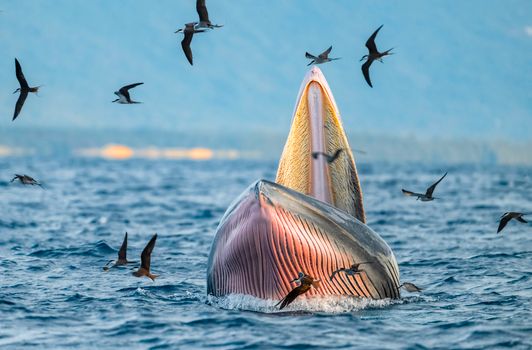
On June 8, 2026, a 40-year-old man named Pieter van der Merwe was kayaking off the coast of Cape Town, near Hout Bay. He saw a splash. He thought it was a dolphin. Then he was underwater, completely engulfed in darkness, being squeezed by something massive. A Bryde’s whale had accidentally scooped him and his kayak into its mouth.
Pieter spent about 10 seconds inside the whale’s mouth before it realized its mistake and spat him out. He surfaced, gasping, with his kayak still strapped to his leg. His GoPro captured the whole thing. The footage went viral—you’ve probably seen it by now. But what most people don’t realize is that this is surprisingly common.
I spoke to Dr. Mariana Garcia, a marine biologist at the University of Cape Town, who told me this is the third recorded incident of a human being “swallowed” by a whale in the last 20 years. “It’s not really swallowing,” she explained. “Bryde’s whales are baleen whales. They don’t have teeth. They filter feed. When they lunge, they take in huge amounts of water and krill. If a person happens to be in that water, they can get scooped up. But the whale immediately realizes it’s not food and expels them.”
So why does it happen near Cape Town? Because the waters off South Africa are some of the richest feeding grounds in the world. The Benguela Current brings up cold, nutrient-rich water that supports massive krill and fish populations. Bryde’s whales, which can reach 15 meters in length, feed here year-round. And kayakers, paddleboarders, and swimmers are increasingly sharing that space.