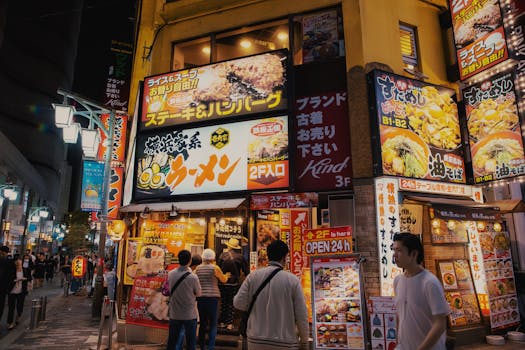
I have a problem. I'm obsessed with ramen. Not in a cute, "I love noodles" way. In a, "I'll fly 14 hours to eat a bowl of broth" way. Last month, I did exactly that. I spent two weeks in Tokyo eating ramen for breakfast, lunch, and dinner. Not exaggerating. I had 42 bowls total. My cholesterol is probably angry, but my soul is full.
Tokyo has over 4,000 ramen shops. I didn't visit all of them (I'm not a machine). But I hit the ones that consistently top rankings in 2026, plus a few hidden gems I found through local food bloggers. Here's my honest breakdown—the ones you absolutely need to try, and a couple I wish I'd skipped.
1. Ichiran (Shinjuku) – The Gold Standard
I know, Ichiran is the tourist pick. It's the McDonald's of ramen—ubiquitous, efficient, and consistent. But there's a reason it's famous. The tonkotsu broth is creamy, rich, and deeply porky. The noodles are thin and firm. The customization form (richness, garlic level, spice) lets you dial in your perfect bowl. I went to the Shinjuku location at 11:30 PM (after a night of karaoke), and the line was 20 minutes. Worth it. The solo booth setup is perfect for introverts—you don't have to talk to anyone. Is it the best ramen in Tokyo? No. But it's the most reliable. If you've never had tonkotsu ramen, start here.
2. Tsuta (Sugamo) – The Michelin-Starred Masterpiece
Tsuta made history as the first ramen shop to earn a Michelin star. It still has one in 2026. The signature bowl is shoyu ramen with truffle oil. Yes, truffle oil in ramen. It sounds gimmicky, but trust me—it works. The broth is a blend of chicken, seafood, and soy sauce, with a depth that's almost wine-like. The chashu pork is tender enough to cut with a chopstick. The soft-boiled egg is perfectly jammy. The price is steep by ramen standards—¥1,500 ($10)—but for a Michelin-starred meal, it's a steal. Go early (they open at 10:30 AM) to avoid the 1-hour line. I went at 10:15 and was second in line. By 11, the queue stretched down the block.
3. Fuunji (Shinjuku) – The Tsukemen King
Tsukemen (dipping noodles) is a different beast. You get cold noodles and a hot, thick broth for dipping. Fuunji is the undisputed king. Their broth is a fish-based tonkotsu blend—intensely umami, almost funky in the best way. The noodles are thick, chewy, and wavy. You dip them, slurp, and then ask for a "soup wari" (broth dilution) to drink the remaining sauce. It's a ritual. The shop is tiny—10 seats—and always packed. I waited 45 minutes on a Tuesday afternoon. The staff doesn't speak English, but the vending machine menu has pictures. Order the "special" (¥1,200) with extra pork and an egg. Don't skip the chili powder; it adds a floral heat.
4. Rokurinsha (Tokyo Station) – The Airport Pick
If you have a layover at Tokyo Station (which is basically an airport for trains), skip the boring sushi and head to Rokurinsha in the Ramen Street basement. Their tsukemen is legendary—thick, fishy broth with house-made noodles that have a satisfying snap. The line moves fast (they serve 300 bowls a day). I went at 2 PM and waited 15 minutes. The pork slices are thick and fatty, melting in your mouth. The egg is seasoned with soy sauce and sake. Pro tip: add a spoonful of vinegar to the broth for brightness. It's not the best in Tokyo, but it's the most convenient. And it's consistently excellent.