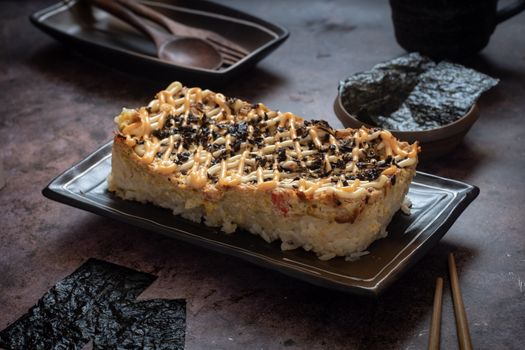
I live in Los Angeles, which means I'm surrounded by amazing food from every culture. Korean BBQ on Western Avenue, Filipino breakfast in Historic Filipinotown, taco trucks on every corner. But last week, I noticed something strange: every new restaurant opening seemed to be a mashup of two cuisines I never expected to see together. Filipino-Korean fusion. I thought it was a gimmick. Then I tried it.
It started with a text from my friend Sarah: "You have to try this place in Koreatown. It's a Filipino-Korean fried chicken spot. Trust me." I was skeptical. Korean fried chicken is already perfect — crispy, saucy, addictive. Why mess with it? But I went anyway, because I trust Sarah's food opinions more than my own.
The place is called Manok & Mandu, and it changed my life. No exaggeration. They take Korean fried chicken — double-fried, extra crispy — and glaze it with Filipino-inspired sauces: sinigang (sour tamarind), adobo (soy-vinegar), and bicol express (spicy coconut). The sinigang flavor was the most surprising. The sour tamarind cuts through the grease perfectly, leaving you wanting more. I ate 12 pieces. Alone.
This isn't a one-off. Over the next week, I visited seven more spots. A food truck called Kain Na that sells Korean-style tacos filled with Filipino lechon kawali (crispy fried pork belly). A sit-down restaurant in Eagle Rock called Seoul and Sili that does Korean BBQ with Filipino dipping sauces — including a spicy coconut vinegar that I want to bathe in. And a dessert pop-up called Halo-Halo Seoul that combines Korean bingsu (shaved ice) with Filipino halo-halo ingredients: ube ice cream, leche flan, macapuno (coconut sport), and pinipig (crispy rice).
I had to understand why this is happening. So I called Chef Melissa Mendoza, who runs Kain Na. She told me: "Filipino and Korean food share a lot of DNA. Both use fermentation, rice, garlic, soy sauce. The flavors are bold and umami-heavy. It's not a stretch to combine them — it feels natural." She's right. Korean gochujang (fermented chili paste) and Filipino bagoong (fermented shrimp paste) are cousins. They just live in different kitchens.
The timing makes sense too. Korean food has been mainstream in the US for a decade: kimchi, bulgogi, bibimbap are household names. Filipino food is having its moment now — thanks to chefs like Lord Maynard Llera of Kuya Lord in LA and the viral success of ube everything. Fusing them is a logical next step.