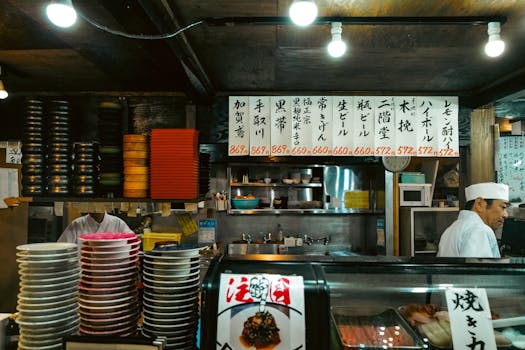
I landed in Tokyo on June 3rd with a list of recommendations that looked like a tourist's wet dream. Sushi Dai. Sukiyabashi Jiro. The Instagram-famous ramen spots with two-hour waits. But here's the thing—I've been burned before by hype. So I threw out the list and decided to do something different. I asked locals. I walked into random places. I followed my nose. And honestly? I found some of the best food of my life in places you'd never find in a guidebook.
Why I Ditched the Guidebooks
Look, I'm not saying the famous spots are bad. They're not. But they're also designed for people who want to check boxes, not for people who want to eat well. The real magic in Tokyo happens in tiny counter seats, in basement-level izakayas, in places that don't have websites. I'm talking about the kind of restaurant where the chef has been making the same dish for 40 years and won't change a thing because it's already perfect.
I kept a running notebook of every meal I had. Some were disappointing. Some were life-changing. Here are the 10 that stood out, ranked from "you should go here" to "cancel your plans and go here right now."
10. Tonkatsu Narikura (Takadanobaba)
Tonkatsu is one of those dishes that seems simple—breaded pork cutlet, fried, served with shredded cabbage and sauce. But when it's done right, it's transcendent. Narikura does it right. The pork is Kurobuta (Berkshire) from Kagoshima, and they fry it in a mix of lard and vegetable oil that creates a crust so light it practically floats off the meat. The line is real—I waited 45 minutes on a Tuesday—but it's worth it. Get the hirekatsu (fillet) set. Don't add sauce at first. Taste the pork. Trust me.
9. Soba House Konjiki-Hototogisu (Shinjuku)
I know what you're thinking—soba in Shinjuku? That's like saying you had pizza in Times Square. But this place is different. They do a shio soba with a broth made from three types of salt (Maldon, Himalayan, and something from Okinawa that I forgot the name of) and topped with a truffle oil that sounds gimmicky but actually works. The noodles are handmade, slightly chewy, and the broth is so clear you can see the bottom of the bowl. I went back three times.
8. Yakitori Imai (Higashi-Gotanda)
Yakitori is everywhere in Tokyo, but Imai is something else. They use a binchotan charcoal grill and source their chicken from a single farm in Miyazaki. The chef, Mr. Imai, is in his 70s and still works the grill himself. He doesn't speak English, and the menu is in Japanese only. I pointed at things and hoped for the best. Every skewer was perfect—the tsukune (chicken meatball) was juicy, the negima (chicken and leek) had that perfect char. It's a 10-minute walk from the station, which feels intentional. He doesn't want tourists. But if you make the effort, you'll be rewarded.
7. Tempura Kondo (Ginza)
Tempura is usually an afterthought in my book—fried food that's fine but not special. Kondo changed my mind. The chef, Fumio Kondo, pioneered a style of tempura that uses a lighter batter and lower oil temperature, which means the vegetables and seafood retain their moisture while the outside gets impossibly crispy. The sweet potato tempura is a religious experience. It costs about ¥15,000 for dinner, which sounds insane, but when you taste it, you'll understand. This is tempura as art.
6. Udon Shin (Shinjuku)
Udon Shin is famous for a reason, but the reason isn't what you'd expect. It's not just the noodles—though they're handmade, thick, and have a chewiness that's almost bouncy. It's the broth. They use a dashi made from dried sardines (niboshi) instead of the usual kombu and bonito, which gives it a deeper, smokier flavor. The kake udon (hot broth) is the way to go, especially on a cold day. The line is long—I waited an hour and a half—but they give you hot tea while you wait, which is a nice touch.
5. Sushi Sho (Roppongi)
I almost didn't include this because it's expensive and you need a reservation months in advance. But the quality is undeniable. Chef Keiji Nakazawa does things differently—he ages his fish for longer than most sushi chefs, which concentrates the flavor and changes the texture. The sayori (halfbeak) was the best piece of sushi I've ever had. The shari (rice) is seasoned with red vinegar, which gives it a reddish tint and a tangy depth. It's ¥40,000 for dinner, which is absurd, but if you can swing it, do it. Once.
4. Afuri (Ebisu)
Afuri is a chain now, which usually means a decline in quality, but the original location in Ebisu still holds up. They specialize in yuzu shio ramen—a clear broth flavored with yuzu citrus, salt, and chicken. It's light, bright, and utterly addictive. The chashu is grilled over charcoal, which adds a smokiness that balances the citrus. I went here after a night of drinking and it fixed me. I'm not being dramatic—it actually fixed me.
3. Narisawa (Minami Aoyama)
Narisawa has been on Asia's 50 Best list for years, and it deserves to be. Chef Yoshihiro Narisawa does what he calls "innovative satoyama cuisine"—which basically means he uses ingredients from Japan's rural landscapes in ways you've never seen. The bread course is a performance—they bring out a living sourdough starter that's been alive for decades and bake it at your table. The dishes are beautiful, but more importantly, they taste incredible. The wagyu with sansho pepper is the best beef I've ever eaten. Period.
2. Shinjuku Kappo Nakajima
This place serves one thing and one thing only: saba (mackerel) dishes. But they do it with 12 different preparations. The saba sashimi is so fresh it's almost sweet. The saba shioyaki (grilled with salt) is simple perfection. The saba nitsuke (simmered in soy and mirin) is comfort food incarnate. It's a tiny place—maybe 10 seats—and the owner works the counter with his wife. They remember regulars. They pour your beer without you asking. It's the kind of place that makes you want to move to Tokyo just so you can eat there every week.
1. Sugita (Ginza)
This is the best sushi I've ever had, and I've had a lot of sushi. Chef Sugita is a legend in Tokyo's sushi world, but he doesn't court fame. His restaurant has no sign—just a noren curtain with a simple fish logo. The omakase is relentless—20+ courses of nigiri, each one better than the last. The anago (sea eel) is brushed with a tare that's been aged for years. The uni is from Hokkaido and tastes like the ocean in the best way. The tamago is almost custard-like, sweet and savory at the same time. It's ¥30,000 and worth every yen. But here's the thing—Sugita is nearly impossible to get into. You need a Japanese phone number and a connection. I got lucky through a friend of a friend. If you can't get in, don't be sad. Just put it on your bucket list and work on making friends in high places.
The Takeaway
Tokyo's food scene is overwhelming in the best way. You could eat a different meal every day for a year and still not scratch the surface. But if you're planning a trip and want to eat well—really well—skip the Instagram spots and go where the locals go. Trust the old chefs who don't speak English. Wait in lines. Try things you can't pronounce. That's where the magic is.