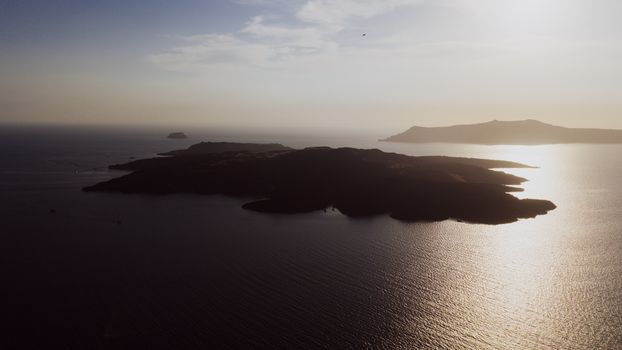
I’ll be honest: I almost didn’t write this article. Every travel blog and TikTok influencer has already told you that Santorini is overcrowded, overpriced, and overrated. And they’re not wrong. The Greek island has become a victim of its own success. Cruise ships dump thousands of passengers into Fira every morning. The famous sunset in Oia is a jostling crowd of selfie sticks. Hotel prices have doubled since 2022.
But here’s the thing: I went anyway. I’d never been, and I wanted to see it for myself. Plus, I had a theory—if you avoid the obvious spots and plan carefully, Santorini can still be magical. I spent seven days there in mid-June 2026, just before the peak season. Some parts were a nightmare. Others were the most beautiful travel experiences I’ve ever had.
The Bad: Oia at Sunset Is Hell on Earth
Let’s get this out of the way. I went to the famous blue-domed church in Oia at 7 PM on a Tuesday. It was packed. I counted at least 200 people crammed onto a narrow balcony, all holding phones. A couple was having a photoshoot with a professional photographer, blocking the view for everyone else. I stayed for 10 minutes, took one mediocre photo, and left. If you go, go at sunrise—I heard it’s empty and gorgeous. But sunset? Absolutely not.
The Good: The Hidden Beaches
Everyone knows Red Beach and White Beach. They’re beautiful but crowded. What people don’t tell you is that there are secluded beaches accessible only by boat or hiking. I took a small water taxi from Akrotiri to a beach called Mesa Pigadia. It’s a pebble beach with crystal-clear water, and there were only 10 people there. I spent the afternoon swimming and reading. No loud music, no vendors. Pure bliss. The water taxi cost 15 euros round trip. Worth every cent.
The Best Kept Secret: Pyrgos Village
Everyone stays in Fira or Oia. But the most charming village on the island is Pyrgos. It’s on a hill in the center of Santorini, with narrow alleys, a Venetian castle ruin, and amazing views of the whole island. I stayed at a small guesthouse called Pyrgos Traditional Houses for 80 euros a night—a fraction of what you’d pay in Oia. The owner, a sweet old lady named Maria, gave me homemade wine and told me stories about the 1956 earthquake. It felt real. It felt like Greece, not Disneyland.
The Food: Skip the Tourist Taverns
Most restaurants in Fira serve frozen gyros and charge 20 euros for a plate of moussaka. Don’t fall for it. Instead, go to a small taverna called To Psaraki in the village of Akrotiri. It’s run by a fisherman who catches his own seafood. I had grilled octopus that was so tender it melted. The owner, Yiannis, sat down with me and explained how he cooks it—over charcoal, not gas. The whole meal cost 35 euros with wine. Compare that to the 50-euro pasta I saw in Oia.
The Wine: Santorini’s Best Asset
I didn’t expect the wine to be this good. Santorini produces some of the world’s best Assyrtiko grapes—they grow in volcanic soil and have a distinct minerality. I visited three wineries: Santo Wines (touristy but the view is stunning), Hatzidakis (small and personal), and Estate Argyros (the best wine). The tasting fee at Argyros was 25 euros and included five wines. I bought three bottles to bring home. Trust me, you don’t go to Santorini for the nightlife. You go for the wine and the sunsets.
The Verdict: Is It Worth It?
Yes, but only if you avoid the crowds. Stay in Pyrgos, not Oia. Eat at local tavernas, not tourist traps. Go to the beaches early or by boat. And for God’s sake, skip the sunset in Oia—watch it from a quiet spot in Pyrgos or on a boat. Santorini is still beautiful, but it requires effort. If you’re willing to do the research, you’ll have an amazing time. If you just follow the crowds, you’ll be miserable. I loved it, but I worked for it.