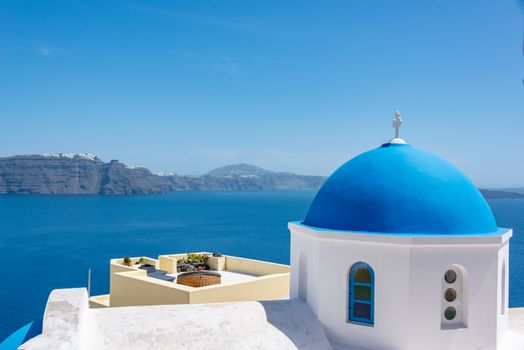
I have a complicated relationship with Santorini. I've been three times now — first in 2019 (pre-crowds), then 2022 (post-pandemic revenge travel), and now in June 2026. Each time, the island has felt more crowded, more expensive, and more curated for Instagram. I told myself this would be the last visit. But somehow, I keep coming back.
Here's the thing about Santorini: the sunset views from Oia are objectively stunning. The caldera is one of the most dramatic landscapes on Earth. The wine is excellent. But in 2026, the island is dealing with a tourism crisis. Over 3 million visitors expected this year, up from 2.5 million in 2023. The narrow streets of Fira and Oia are packed shoulder-to-shoulder from 10 AM to 7 PM. Hotel rooms in Oia start at €400 a night for a basic room. And yet, I still had a magical trip. How? I found the parts of Santorini that the crowds haven't discovered. Here's how you can too.
The Problem with Mainstream Santorini
Let me paint a picture. It's 5 PM in Oia, and I'm standing at the famous Byzantine Castle ruins, where everyone gathers for sunset. There are probably 300 people crammed into a space designed for 50. Selfie sticks everywhere. A woman in heels is struggling to stand on the uneven stones. A man is arguing with his girlfriend about whether the photo is 'golden hour enough.' The sunset itself is beautiful, but the experience is miserable.
That's the version of Santorini that most tourists experience. They arrive on a cruise ship (up to 8,000 passengers per day in peak season), spend 6 hours in Fira and Oia, take 47 photos, and leave thinking they've seen the island. They haven't. Not even close.
The Alternative: Stay in the South
Here's the secret: the southern part of Santorini — around Akrotiri, Vlychada, and the Red Beach — is less crowded, less expensive, and arguably more beautiful. I stayed in a small guesthouse in Akrotiri called 'Villa Notos' for €120 a night. It's a family-run place with a pool overlooking the caldera. The views are as good as Oia's, but you're sharing them with maybe 10 other guests. The owner, Maria, told me that 80% of her guests are repeat visitors. That tells you something.
From Akrotiri, you can walk to the Red Beach (10 minutes) or the White Beach (20 minutes). Both are stunning, with dramatic red and white cliffs. The water is clean and warm. In June, I had the beaches mostly to myself on weekdays. Compare that to the packed beaches in Kamari or Perissa — it's night and day.
Eat Where the Locals Eat
I made a rule: no restaurant that has a menu in five languages. No place with a waiter standing outside trying to lure you in. Instead, I followed the locals. In Akrotiri, I found a taverna called 'To Psaraki' that's been open since 1982. No website. No Instagram. Just a handwritten menu on a chalkboard. I had grilled octopus (€12) that was so tender it melted on my tongue. The owner, Dimitris, came out to chat and poured me a glass of his homemade raki. 'Tourists don't come here,' he said, smiling. 'They're too busy in Oia.'
Another gem: 'Metaxi Mas' in Exo Gonia, a tiny village in the interior. It's a family-run taverna that serves traditional Santorinian dishes like fava (yellow split pea puree), tomato keftedes (tomato fritters), and apaki (smoked pork). The wine list is all local. A meal for two with wine costs about €50. In Oia, that same meal would be €150.