⚔️ VS Battle

Oura Ring 4 vs Apple Watch Series 10: Which Health Tracker Actually Works?

Oura Ring 4 vs Apple Watch Series 10: Which Health Tracker Actually Works?

I've been obsessed with health tracking since I got my first Fitbit back in 2015. So when the Oura Ring 4 dropped last month and the Apple Watch Series 10 hit stores, I knew I had to test them. Two weeks. Both devices. Every day. Here's what I learned.

The Setup: A Tale of Two Philosophies

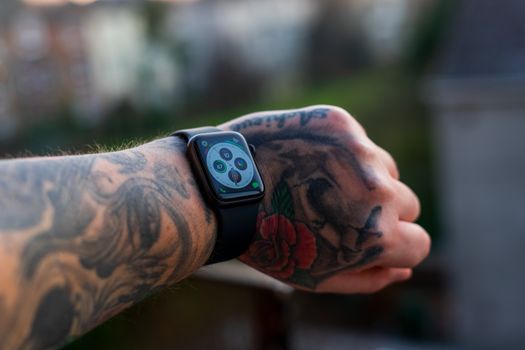
Let's start with how they feel. The Oura Ring 4 is a sleek titanium ring. It costs $349. The Apple Watch Series 10 starts at $399. The difference? One is a piece of jewelry you forget you're wearing; the other is a mini-computer strapped to your wrist. I'll be honest: I wanted to love the Oura Ring more because it's less obtrusive. But the Apple Watch does things the ring simply can't, like taking an ECG or detecting a fall.

Sleep Tracking: Oura's Superpower

If you care about sleep, the Oura Ring wins. It's not even close. The ring tracks your heart rate variability (HRV), body temperature, and movement with impressive accuracy. After a week, the app told me that my late-night coffee habit was destroying my deep sleep. I stopped drinking caffeine after 2 PM, and my sleep score jumped from 72 to 88 in three days. The Apple Watch has sleep tracking, but it's basic in comparison. The watch's battery life is also a problem—you have to charge it daily, which means you can't wear it to bed every night without planning.

Activity Tracking: Apple Watch's Domain

For workouts, the Apple Watch is superior. It has GPS, a heart rate monitor that works in real time, and thousands of workout types. I took both on a 10K run, and the Apple Watch was spot-on for distance and pace. The Oura Ring, meanwhile, told me I'd run 9.2 miles and had an average heart rate of 138 BPM. It was close, but not perfect. The watch also integrates with Strava, Apple Fitness+, and basically every fitness app. The ring's integration is limited.

Battery Life: The Ring Crushes It

The Oura Ring lasts seven days on a charge. The Apple Watch Series 10 lasts 18 hours. That's not a comparison; that's a massacre. I hate worrying about charging another device. The Oura Ring just works. I charge it when I shower, and that's enough. The Apple Watch requires a nightly charge, which is annoying when you also want to track your sleep.

Health Features That Actually Matter

Here's where it gets interesting. The Apple Watch Series 10 has features that could save your life: fall detection, crash detection, atrial fibrillation (AFib) history, and blood oxygen monitoring. I fell off my bike last week (embarrassing, I know), and the watch asked if I needed emergency services. The Oura Ring doesn't have that. But the ring does have something the watch lacks: readiness scores based on your sleep and recovery. It tells you if you should push hard or take a rest day. I've found that genuinely useful for avoiding burnout.

The Verdict: Pick Your Priority

Honestly, you can't go wrong with either. But you have to be honest about what you need. If you're a serious athlete or someone with health concerns that require FDA-cleared features (ECG, fall detection), get the Apple Watch. If you're someone who wants to understand your sleep and recovery better, and you don't want another screen strapped to your wrist, get the Oura Ring. I ended up keeping both—I wear the ring at night and the watch during workouts. It's expensive, but it covers all bases. If you can only buy one, think about your lifestyle. For me, the Oura Ring's sleep insights were more valuable than the watch's activity tracking. But that's just my experience. What's yours?

TR
Hannah Powell

We spend hours researching and testing before we write anything. If something changes, we update the article. About our process →