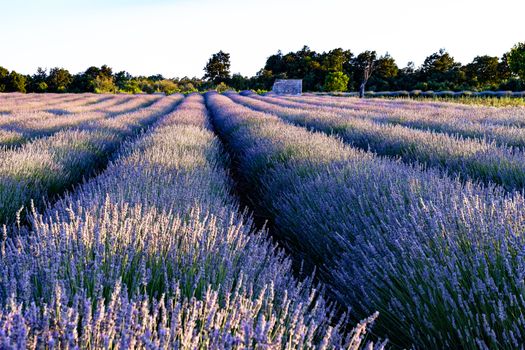
I've been hearing about Hvar for years. Friends came back raving about the lavender fields, the crystal-clear water, the parties that stretch until dawn. But they also warned me: it's expensive. It's crowded. In July, the main town feels like a European version of Times Square, packed with yachts and tourists drinking €15 cocktails.
So when I finally booked a trip for the first week of July 2026, I was prepared for the worst. What I found was something far more interesting: a beautiful island that's still worth visiting, if you know where to go and what to skip.
Getting There: The Ferry Is Half the Fun
I took a catamaran from Split to Hvar Town. The ride takes about an hour, and it's stunning—you glide past the Pakleni Islands, with their pine-covered hills and turquoise bays. I sat on the upper deck, wind in my face, and felt my shoulders drop for the first time in months. The ferry cost €12 each way (book ahead in summer; tickets sell out).
Hvar Town: Beautiful but Chaotic
I'll be honest: Hvar Town is a lot. The main square, St. Stephen's Square, is gorgeous—a marble-paved piazza lined with palm trees and Renaissance buildings. But it's also packed. Every restaurant has a host trying to pull you in, every corner has a group taking selfies, and the harbor is so full of yachts you can barely see the water.
I spent one afternoon exploring the town, climbing the fortress for panoramic views (worth the steep hike, less worth the €8 entry fee), and wandering the narrow side streets. The Franciscan monastery and its garden are a quiet oasis. But honestly? I was glad to leave after 24 hours.
The Real Magic: Stari Grad and Jelsa
The real Hvar, I discovered, is on the north side of the island. Stari Grad is the oldest town on Hvar, founded by Greeks in 384 BC. It's quieter, more authentic, and far less touristy. The old town is a maze of stone streets, with a small harbor where locals drink coffee and fish off the pier. I stayed at a family-run guesthouse called Villa Dora for €70 a night (booked through Booking.com). The owner, a woman named Ana, brought me homemade fig jam every morning.
Jelsa, a 15-minute drive east, is even more laid-back. It has a pebble beach, a few good restaurants, and a weekly market where you can buy local olive oil and lavender honey. I had lunch at Konoba Briban, a family-run spot that serves incredible grilled fish and a local red wine called Plavac Mali. The bill for two people, including wine, was €45. In Hvar Town, that would have been €100.
The Beaches: Skip the Clubs, Find the Coves
Everyone talks about the beach clubs on the Pakleni Islands—Carpe Diem, Hula Hula, etc. They're fun if you want to party. But if you want to swim in peace, rent a kayak or a small boat and explore the coves on the south coast. I spent a morning kayaking from the village of Milna to a hidden cove called Dubovica. The water was so clear I could see fish swimming around my feet. I had the beach to myself for two hours.