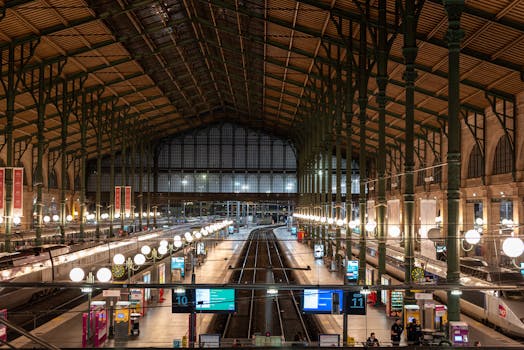
The Return of the Night Train
After years of budget airlines and high-speed rail, the night train is making a comeback in Europe. The latest addition is the new sleeper service between Paris and Berlin, launched by SNCF and Deutsche Bahn in early June 2026. I’ve always loved the idea of falling asleep in one capital and waking up in another, so I booked a ticket for last Wednesday. The journey takes about 12 hours—departing Paris at 7 PM and arriving in Berlin at 7 AM. I’ve done this route by plane (2 hours) and by high-speed train (8 hours), but the night train promised an adventure. Here’s how it went, and whether you should book it.
Booking and Boarding
Booking was surprisingly easy via the DB app. There are three classes: a seat (€49), a couchette (€79, shared compartment with 6 bunks), and a sleeper cabin (€129, private room with two beds). I splurged on a sleeper cabin. The train departed from Paris Gare de l’Est, and boarding was smooth. The staff were friendly and spoke both French and German. The train itself is modern—clean, well-lit, with USB ports and reading lights in each cabin.
The Cabin Experience
The sleeper cabin is compact but cozy. It has two fold-out beds, a small sink, and a table that folds down. The beds are comfortable enough—not luxury hotel quality, but better than I expected. The linens were fresh, and there was a pillow and blanket. The cabin has a door that locks, which gave me peace of mind. My only complaint is the lack of storage—my luggage barely fit under the lower berth. The toilet and shower are down the hall, shared with the carriage. They were clean but basic.
Dinner and Social Vibes
The train has a dining car that serves a limited menu: sandwiches, salads, and drinks. I had a vegan curry wurst (€12) and a glass of wine (€8). The food was decent, not spectacular. The dining car was the highlight for me—it had a cozy, retro feel with wood paneling and soft lights. I met a couple from London who were doing a slow travel trip across Europe. We chatted for an hour about travel and politics. It felt like a step back in time, in a good way.