✈️ Travel

My Honest Review of the Maldives After the 2026 Travel Boom: Is It Still Worth It?

My Honest Review of the Maldives After the 2026 Travel Boom: Is It Still Worth It?

The Dream vs. The Reality

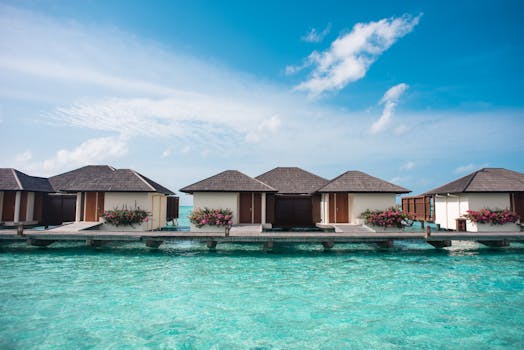
I've been dreaming about the Maldives since I was a kid. The photos of overwater bungalows, crystal-clear water, and pristine beaches seemed like a fantasy. So when I finally saved enough money to go in June 2026, I was beyond excited. After the travel boom of the past few years, the Maldives has become even more popular. I had to see if it lived up to the hype.

Spoiler: it's beautiful. But it's also expensive, crowded, and not quite what the Instagram influencers show you. Here's my honest take.

Getting There: The Long Haul

I flew from New York to Male, the capital of the Maldives. The flight took about 20 hours with a layover in Dubai. It's long, but it's manageable. I flew Emirates, which was comfortable. The real challenge started when I landed.

Male International Airport is undergoing major renovations in 2026. The construction means long walks, crowded terminals, and confusing signage. I spent an hour just getting through immigration. Then I had to find my transfer to the resort. Most resorts require a seaplane or a speedboat ride. My resort, Soneva Fushi, arranged a seaplane. The flight was 35 minutes and cost $600 round trip. Yes, $600 just to get to the resort. And that's on top of the $5,000 I paid for the room.

Pro tip: book a resort that includes transfers in the price. Some do, some don't. Soneva Fushi didn't. I learned that the hard way.

The Resort: Soneva Fushi

I chose Soneva Fushi because it's known for its sustainability and luxury. It's on a private island in the Baa Atoll, which is a UNESCO Biosphere Reserve. The resort has 63 villas, all with private pools and direct beach access. I booked a one-bedroom water villa with a slide into the ocean. Yes, a slide. I'm not ashamed to admit that was the main reason I chose it.

The villa was stunning. It was huge — over 2,000 square feet — with an outdoor bathroom, a living room, and a deck with a pool. The slide was fast and fun. I must have used it 20 times in the first day. The water was warm and clear. I could see fish swimming below me. It was everything I'd imagined.

But there were downsides. The resort was fully booked. I knew it would be busy, but I didn't realize how busy. The main pool was packed every afternoon. The restaurants required reservations days in advance. The staff were friendly but stretched thin. It took 30 minutes to get a drink at the bar one evening. For $2,500 per night, I expected better service.

The Food: Overpriced and Underwhelming

One of the biggest disappointments was the food. The resort has six restaurants, ranging from a Japanese omakase to a beachfront grill. I tried four of them. The quality was good but not exceptional. The prices were eye-watering.

A simple fish and chips at the beach bar cost $45. A glass of wine was $20. The Japanese omakase was $250 per person, and while it was delicious, it wasn't $250 delicious. I've had better sushi in New York for half the price.

The worst part? The resort charges a 10% service charge and a 12% tax on everything. So a $100 meal ends up being $122. And that's before tip. The staff expect tips too. I ended up spending over $200 per day on food and drinks alone.

If you're going to the Maldives on a budget, bring your own snacks. Seriously. The mini-bar in my villa had a bag of chips for $8. It's a racket.

The Activities: Expensive but Worth It

The Maldives is all about water activities. Snorkeling, diving, dolphin watching, sunset cruises. I did a few of these, and they were the highlight of the trip.

The snorkeling was incredible. The resort has a house reef that's home to sea turtles, rays, and hundreds of species of fish. I went snorkeling every day. The water was warm and clear. I saw a sea turtle on my first day, and I cried. It was that beautiful.

I also did a sunset dolphin cruise. It was $150 per person for 2 hours. We saw dozens of dolphins swimming alongside the boat. The sunset was stunning — the sky turned orange and pink. It was magical. But $150 for 2 hours? That's steep.

The diving was even more expensive. A single dive was $200. A certification course was $1,200. I skipped the diving and stuck with snorkeling. It's almost as good and much cheaper.

The Crowds: The Elephant in the Room

The Maldives has become incredibly popular. In 2025, the country welcomed over 2 million tourists. That's a lot for a country with a population of 500,000. The resorts are full, the beaches are crowded, and the once-secluded islands now feel like tourist hubs.

I knew this going in, but I didn't realize how much it would affect the experience. The resort's private beach was not so private. There were families with kids everywhere. The pool was loud. The romantic sunset dinners were booked weeks in advance. It felt less like a luxury getaway and more like a crowded resort in the Caribbean.

If you want a truly secluded experience, you need to go to a smaller, more expensive resort. Or go during off-peak season (May to November), when the weather is rainy but the crowds are thinner. I went in June, which is technically off-peak, but it was still busy.

The Sustainability Question

The Maldives is on the front lines of climate change. The average elevation is just 1.5 meters above sea level. Many islands are expected to be uninhabitable by 2100. The tourism industry is a double-edged sword — it brings money to the country but also contributes to carbon emissions and waste.

Soneva Fushi is one of the most sustainable resorts in the Maldives. They have a recycling program, a solar farm, and a waste-to-energy system. They also ban plastic straws and single-use plastics. I appreciated their efforts, but it's hard to feel good about flying 20 hours to a place that's disappearing.

I offset my carbon emissions through a verified program. It cost $50. It's not a perfect solution, but it's better than nothing. If you're environmentally conscious, research your resort's sustainability practices before booking.

The Price: Is It Worth It?

I spent $7,500 total for a 4-night trip. That includes flights, transfers, accommodation, food, and activities. That's $1,875 per day. For four days. Is it worth it? I'm still not sure.

The beauty of the Maldives is undeniable. The water is the clearest I've ever seen. The marine life is incredible. The sunsets are unforgettable. But the price is astronomical. You could go to Thailand, the Philippines, or Mexico for a fraction of the cost and have a similar experience.

If you have the money and the Maldives is your dream destination, go. But go with realistic expectations. It's not the secluded paradise the influencers show you. It's a crowded, expensive, but undeniably beautiful place.

Final Verdict: Go, but Plan Smart

I don't regret going to the Maldives. It's a bucket-list destination for a reason. But I wish I had been better prepared for the crowds and the costs. Here's my advice:

1. Go during off-peak season (May to November) for lower prices and fewer crowds.
2. Choose a resort that includes transfers and meals in the price.
3. Bring snacks to avoid expensive mini-bar charges.
4. Stick with snorkeling instead of diving to save money.
5. Offset your carbon emissions if you care about sustainability.

The Maldives is beautiful, but it's not perfect. Go with your eyes open, and you'll have an amazing time.

TR
Jessica Thompson

We spend hours researching and testing before we write anything. If something changes, we update the article. About our process →