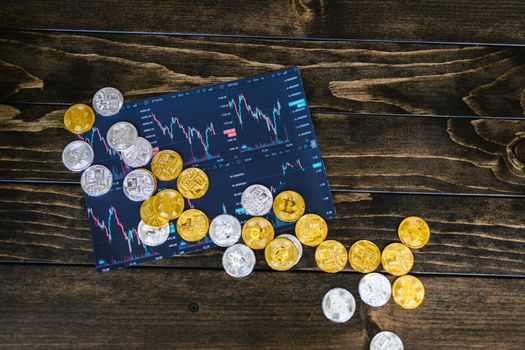
I'm not a gambler. I've never bet on sports, I don't play slots, and I think poker is boring. But last month, I made a stupid decision. I put $20,000 into a meme coin called PeanutCoin. The hype was insane—everyone on Twitter was talking about it. Influencers said it was going to '100x.' I saw screenshots of people turning $1,000 into $50,000. I got FOMO. I convinced myself that this was my chance to get ahead. And then, two weeks later, the coin crashed to zero. I lost everything. This is my story, and what I learned from it.
Let me explain what PeanutCoin was. It launched on June 1, 2026, on the Solana blockchain. The mascot was a cartoon peanut with sunglasses. The pitch was that it was a 'community coin' that would fund a peanut butter factory in Ghana. Sounds ridiculous, right? But the marketing was brilliant. They had a viral TikTok campaign, celebrity endorsements from a minor rapper, and a 'fair launch' where no one got presale. The price went from $0.00001 to $0.05 in a week. I bought in at $0.03. I watched my portfolio grow to $65,000. I felt like a genius.
The Warning Signs I Ignored
There were red flags everywhere. The website was full of spelling errors. The team was anonymous—they called themselves 'Peanut Protocol.' The whitepaper was a joke, literally written in comic sans. But I ignored it all because I was making money. That's the thing about bubbles—they feel real until they pop. The crash happened on June 12. A crypto news site published an investigation showing that the 'community fund' was a shell company. The team had been selling their tokens secretly. Within an hour, the price crashed to zero. I tried to sell, but the liquidity had been drained. I was left holding worthless tokens.
The Emotional Aftermath
I felt sick. $20,000 is not life-changing money for me, but it's still significant. I had saved that money for a down payment on a car. Now it was gone. I spent two days in a funk, staring at my portfolio, hoping the price would magically recover. It didn't. I told my wife, and she was surprisingly calm. 'You learned a lesson,' she said. 'It's expensive, but you'll never do it again.' She was right. I've since read about the psychology of scams and how they exploit our greed. I'm not proud of falling for it, but I'm grateful for the insight.