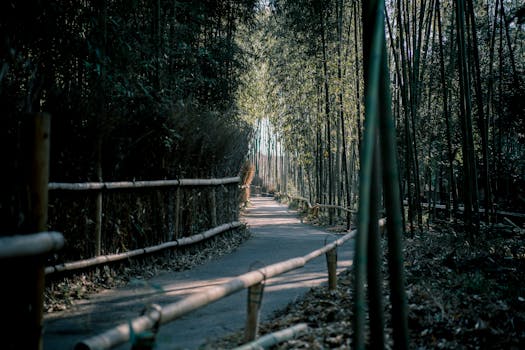
I first visited Kyoto in 2016, and it changed me. The quiet temples, the hidden gardens, the way the light filters through bamboo leaves—it felt like stepping into a painting. I was nervous to go back in 2026. Would it be ruined by overtourism? Would the Instagram hordes have killed the soul? The answer surprised me.
Yes, it's more crowded. The famous spots like Fushimi Inari Shrine and Kinkaku-ji are packed by 9 AM. But Kyoto adapts. The city has introduced timed entry for popular sites, and new, lesser-known spots have emerged. I spent two weeks there, and I found more magic than ever. Here's what I learned.
The Secret to Kyoto in 2026: Go East, Young Traveler
Most tourists flock to the western districts (Arashiyama) and central areas (Gion). But the eastern hills, known as Higashiyama, are where the real Kyoto lives. The Philosopher's Path is still beautiful, but it's crowded. Instead, I took a detour up to Kodaiji Temple's bamboo grove—a smaller, quieter version of Arashiyama's famous bamboo forest. No crowds. Just towering green stalks and the sound of wind. I sat there for an hour, reading a book, and saw maybe five other people.
Another hidden gem: the temple of Honen-in. It's tucked away, with a moss-covered gate and a sand garden that looks like ocean waves. I arrived at 7 AM and had the place to myself. The monks were sweeping the path, and one smiled and bowed. That's the Kyoto I remember.
The Food Scene Is Better Than Ever
Kyoto's food has always been excellent—kaiseki cuisine, yudofu (tofu hot pot), and matcha everything. But the street food scene has exploded. Nishiki Market is still chaotic, but vendors have leveled up. I tried a matcha croissant that was flaky and filled with sweet red bean paste. There's a new ramen shop near Kyoto Station called Ramen Matsu that serves a truffle shoyu ramen that's worth the 45-minute wait. The broth is rich, the noodles are chewy, and the truffle adds an earthy depth I've never tasted in ramen before.
But my favorite meal was at a tiny okonomiyaki joint in the student district of Demachiyanagi. The owner, Mr. Tanaka, has been running it for 40 years. He cooks the savory pancakes on a hot grill right in front of you, and he'll chat in broken English if you try. He told me his son is taking over next year. I hope he keeps the recipe the same.