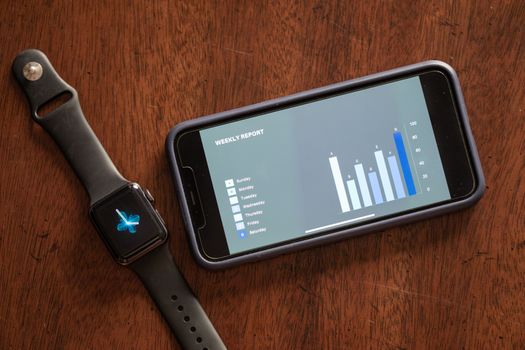
If you've been on TikTok recently, you've probably seen videos about the 'cortisol detox.' People are drinking 'cortisol cocktails' (lemon water with salt), doing 'vagus nerve exercises,' and avoiding morning sunlight to lower stress hormones. As someone who's been stressed since approximately 2020, I was intrigued. But is this science or snake oil? I decided to find out. I spent 30 days following the most popular cortisol-lowering protocols and tracked my levels using a continuous glucose monitor (CGM) and a wearable stress tracker.
What Is Cortisol, Anyway?
First, a quick biology lesson. Cortisol is a hormone produced by your adrenal glands. It's essential for survival—it helps regulate your sleep-wake cycle, metabolism, and immune response. It also spikes when you're under stress. The problem is when cortisol stays chronically high. That's linked to weight gain, poor sleep, anxiety, and even heart disease. But here's the thing: cortisol is supposed to fluctuate. It's highest in the morning (to wake you up) and lowest at night. The 'detox' trend wants to flatten that curve. That's not how biology works.
What I Did: The 30-Day Protocol
I picked three popular TikTok methods: the 'cortisol cocktail' (water with lemon juice, Himalayan salt, and cream of tartar), morning breathing exercises (box breathing for 5 minutes), and a 'digital sunset' (no screens after 8 PM). I also avoided high-intensity exercise in the evenings, as that can spike cortisol. I measured my cortisol levels using a saliva test kit at the beginning and end of the month, and I wore a Whoop strap to track my heart rate variability (HRV), which is a proxy for stress.
Week 1: The Adjustment Period
The first week was rough. The cortisol cocktail tasted like salty lemonade—not terrible, but not great. I felt a bit more alert in the mornings, but that could have been placebo. The breathing exercises were surprisingly effective. I did them right after waking up, and they helped me feel centered before the day's chaos. The digital sunset was the hardest. I'm used to scrolling on my phone before bed. The first few nights, I felt restless. But by day five, I was falling asleep faster.
Week 2: The Honeymoon Phase
By the second week, I noticed changes. My HRV was up by about 10%, which suggests lower stress. I also felt less reactive during the day. Normally, I snap at my partner when I'm overwhelmed, but I was more patient. The cortisol cocktail started to feel like a nice ritual. I did some research and found that the salt and potassium can help with hydration, which might reduce the physical symptoms of stress. But there's no evidence that it directly lowers cortisol. Still, if it makes you feel good, it's probably fine.