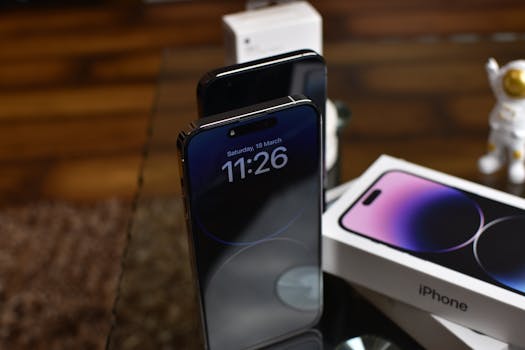
The Ultimate Showdown of 2026
Every year, the same question pops up: iPhone or Samsung? But in 2026, the answer isn’t as clear-cut as it used to be. Both companies have pushed hard, and each device has distinct strengths. I’ve been using the iPhone 18 Pro Max and Samsung Galaxy S27 Ultra side by side for the past month—taking photos, playing games, making calls, and even trying to get work done. Here’s my honest take on which one you should buy, based on real-world use, not spec sheets.
Design and Build: Two Different Philosophies
The iPhone 18 Pro Max is all about refinement. It’s got a titanium frame, a ceramic shield display, and a rear that feels solid in hand. It’s slightly heavier than last year, but it feels premium. The Galaxy S27 Ultra, on the other hand, is a tank. It’s larger, with a sharp-edged design that’s less comfortable but more distinctive. Samsung uses Gorilla Glass Victus 3 and an aluminum frame. Both are IP68 rated. I prefer the iPhone’s ergonomics, but the Samsung wins for screen-to-body ratio—the bezels are almost non-existent. If you want a phone that screams “I’m expensive,” the Samsung edges ahead. For everyday comfort, the iPhone wins.
Display: A Close Call
Both screens are gorgeous. The iPhone has a 6.9-inch OLED with a 120Hz ProMotion display, while the Samsung has a 6.9-inch Dynamic AMOLED 2X with a 120Hz refresh rate. In direct sunlight, the Samsung gets brighter—up to 2,800 nits peak, compared to Apple’s 2,500 nits. That matters when you’re outside on a sunny day. Colors on the Samsung are punchier, almost too vibrant for my taste. Apple’s color accuracy is more natural. For watching HDR content, both are stellar. But if I’m honest, I prefer the Samsung’s display for media consumption. It pops. The iPhone’s display is more faithful to what content creators intended.
Camera Systems: A Photographer’s Dilemma
This is the big one. The iPhone 18 Pro Max has a 48MP main sensor, a 48MP ultrawide, and a 12MP telephoto with 5x optical zoom. The Samsung Galaxy S27 Ultra has a 200MP main sensor, a 50MP ultrawide, and dual telephoto lenses offering 3x and 10x optical zoom. In daylight, both take stunning shots. But the differences emerge in low light. The iPhone’s software processing is more conservative—it preserves shadows and avoids making everything look artificial. Samsung’s processing tends to brighten scenes aggressively, which can lead to blown-out highlights. For portraits, the iPhone’s depth mapping is more accurate. For zoom, the Samsung is the clear winner—I took shots of birds from 50 feet away that looked sharp. If you love zoom photography, go Samsung. If you want natural colors and reliable point-and-shoot, go iPhone.