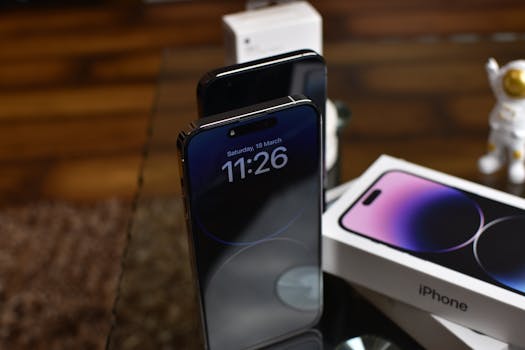
It's June 2026, and the two biggest phone launches of the year are finally here. Apple dropped the iPhone 17 Pro a few weeks ago, and Samsung answered with the Galaxy S26 Ultra. I've been using both as my daily drivers for a week—taking photos, playing games, making calls, even dropping one of them (sorry, Apple). Here's the real talk, no marketing fluff.
Design and Build: One Big Change
The iPhone 17 Pro finally ditched the notch. I know, I know—they've been working on it for years. Now it's a single punch-hole camera, just like the Galaxy has had forever. The bezels are almost invisible, and it feels like holding a slab of glass. The titanium frame is light but solid. The Galaxy S26 Ultra, meanwhile, is a brick. A beautiful, rectangular brick. It's heavier, sharper, and more angular. Some people love that. I find it uncomfortable in my pocket after a while. But the S Pen is back, and it's still the only stylus on a flagship phone. If you're a note-taker, that's a huge win for Samsung.
Display: Brightness Wars
Both screens are stunning. The iPhone 17 Pro hits a peak brightness of 3,000 nits outdoors. The Galaxy S26 Ultra claims 3,200. Honestly? I can't tell the difference. They're both readable in direct sunlight, which is all that matters. The Galaxy's screen is slightly bigger at 6.9 inches versus 6.3 inches. But the iPhone's color accuracy is still better for photo editing. Samsung's display is a touch oversaturated for my taste, but you can dial it down in settings. This one's a tie for me.
Camera: The Real Test
I took both phones to a local park and shot the same scenes. The iPhone 17 Pro has a 48MP main sensor with a new periscope zoom lens that goes up to 10x optical. Samsung's S26 Ultra has a 200MP main sensor and a 15x optical zoom. On paper, Samsung wins. In practice? It's complicated. Samsung's 15x zoom is incredible for faraway subjects—I could read a sign from half a mile away. But the iPhone's processing is more natural. Skin tones look like skin, not wax. Samsung still has that tendency to oversharpen and boost colors. For social media, Samsung's photos pop more. For printing or editing, I'd pick the iPhone every time. Low light is a wash—both are excellent, but the iPhone handles motion blur slightly better.