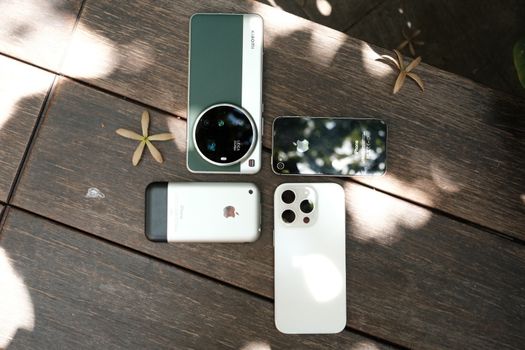
The iPhone 17 Pro and Samsung Galaxy S26 Ultra are here, and the battle for your pocket is fiercer than ever. I've been using both as my daily drivers since they launched in early June, and I have strong opinions. Let's cut through the marketing nonsense and talk about what actually matters.
Design and Build: Apple Plays It Safe, Samsung Gets Wild
Apple's iPhone 17 Pro looks... like an iPhone. That's not necessarily a bad thing — the titanium frame feels premium, and the new matte glass back is a fingerprint magnet, but in a good way. Samsung, on the other hand, went all-in with the Galaxy S26 Ultra. The flat display is back (finally), and the integrated S Pen slot is still there. But the big news is the new camera bump design — a vertical strip that looks like something from a sci-fi movie. I love it, but my wife thinks it's ugly. Beauty is subjective, I guess.
Display: Samsung Wins on Paper, Apple Wins in Practice
Let's be real: Samsung's displays have been superior for years. The S26 Ultra's 6.9-inch Dynamic AMOLED 3X with 3,000 nits peak brightness is objectively better than the iPhone's 6.3-inch Super Retina XDR display. But here's the thing — Apple's color accuracy is still unmatched. When I'm editing photos, I trust what I see on the iPhone. When I'm watching HDR content on Netflix, the Samsung's extra brightness makes a difference. It's a toss-up, but if I had to pick one for daily use, I'd give the edge to Samsung for the sheer wow factor.
Camera: The Closest Competition Yet
This is where things get interesting. Apple finally bumped the main sensor to 48 megapixels on all three lenses — wide, ultra-wide, and telephoto. The results are stunning. Photos have that natural, true-to-life look that Apple fans love. But Samsung's 200-megapixel main sensor on the S26 Ultra is no slouch. The new AI processing handles low-light situations better than ever, and the 10x optical zoom is still unmatched by any iPhone. I took both phones to a concert last week, and the Samsung's zoom was the clear winner for getting shots of the stage. But for everyday portraits of my kids, the iPhone's skin tones look more natural.
Performance: The A19 Chip vs. The Snapdragon 8 Gen 5
Apple's A19 Bionic chip is a beast. Geekbench scores are through the roof, and everything feels instant. But Samsung's Snapdragon 8 Gen 5 for Galaxy is no slouch either — it's the first time I've felt like Android phones have truly caught up in raw performance. In real-world use, you won't notice a difference unless you're doing heavy video editing or gaming. And even then, both phones handle everything I threw at them without breaking a sweat. The real differentiator is thermal management: the Samsung runs cooler under sustained load, which matters if you're gaming for hours.