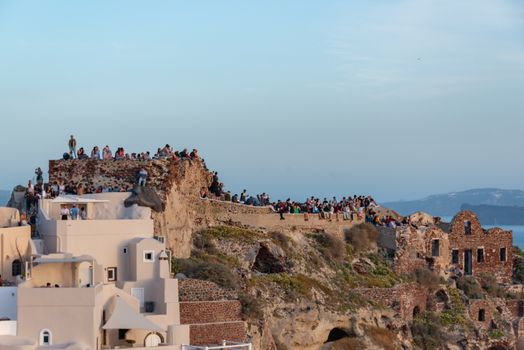
I'd dreamed of Santorini for years. The white-washed buildings, the blue-domed churches, the sunsets that look like a watercolor painting. So when I finally booked a trip for June 2026, I was ready for magic. What I got was a three-hour wait for a public bus, a €12 bottle of water, and a local shopkeeper who broke down crying because she couldn't afford rent anymore.
This is the reality of overtourism in 2026. Santorini is ground zero.
Let me back up. The island welcomed 3.4 million visitors in 2025, up 15% from 2024. The permanent population? About 15,000. Do the math. That's 226 tourists per resident. In peak season, there are literally more people on the island than the infrastructure can support. The sewage system is from the 1980s, the water desalination plants are overwhelmed, and the roads weren't designed for rental cars and tour buses.
I arrived at the port of Athinios on a ferry from Athens. The scene was chaos. Hundreds of people jostling for the few taxis. A bus queue that snaked around the parking lot. A Dutch couple told me they'd been waiting 90 minutes. I ended up sharing a private van with five strangers—€40 each for a 20-minute ride. The driver, a Greek man named Yannis, told me, 'In July, it's worse. Sometimes people sleep at the port.'
Oia is the worst. The famous sunset viewpoint is now a ticketed event. You have to book a slot online, and they sell out days in advance. The narrow streets are packed shoulder-to-shoulder. I saw a woman faint from heat and crowd stress. No one could move to help her for five minutes. The Instagram photos you see are carefully cropped to avoid showing the masses of people behind the camera.
But the real tragedy is what's happening to the locals. Housing prices have skyrocketed. A one-bedroom apartment that rented for €500 a month in 2020 now goes for €2,500—if you can find one. Most are listed on Airbnb. The average Santorini resident earns about €1,200 a month. They're being pushed to the mainland or into overcrowded apartments on the less scenic side of the island.