Let me start with a confession: I'm not a 'luxury traveler.' I'm the guy who eats street food in Bangkok and sleeps in hostels in Europe. But last month (June 2026), I spent two weeks in the Maldives at the height of peak season, and I wanted to see what all the fuss was about. Is it really paradise? Or is it just an expensive Instagram filter?
Spoiler: It's both. But not in the way you'd expect.
I booked a trip to the Maldives because a friend got a deal on flights (Maldives Airlines just launched direct routes from New York JFK in May 2026, which cut travel time to 16 hours). I stayed at three different resorts to get a full picture: a budget guesthouse on a local island, a mid-range resort, and a luxury overwater bungalow that cost more per night than my rent. Here's what I learned.
The Arrival: First Impressions Are Overwhelming
Flying into Malé International Airport is wild. You're flying over nothing but blue ocean for hours, and then suddenly there's this tiny cluster of islands covered in palm trees. The airport is chaotic—hundreds of tourists, resort representatives holding signs, and the smell of salt and jet fuel. I was herded onto a speedboat for a 45-minute ride to my first resort. The boat bounced over waves so hard that I thought I'd lose my breakfast.
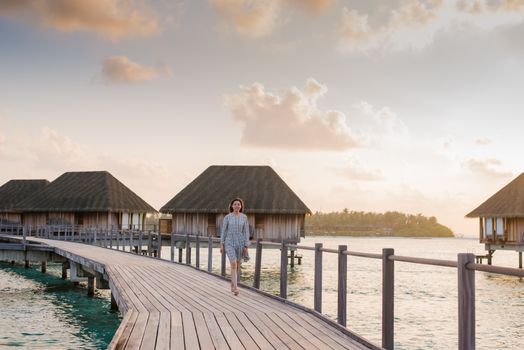
But then we arrived. The water was so clear I could see fish swimming below the jetty. The resort staff greeted me with a cold towel and a coconut drink. The overwater bungalow stretched out in front of me, and for a moment, I understood why people spend their life savings on this place.
The Reality Check: Peak Season Problems
June is technically the start of the southwest monsoon, which means rain. I had two days of solid downpour. The resort was still beautiful—the rain turns the lagoon a milky turquoise—but I felt cheated. I'd paid for sunshine, not tropical storms.
Also, everything is expensive. I mean, I knew it would be, but $12 for a bottle of water? $45 for a simple pasta dish? $150 for a 30-minute snorkeling trip? The prices are absurd. Resorts know you're captive, and they charge accordingly. My advice: bring snacks. Bring a refillable water bottle (most resorts have free water stations if you ask). And book all-inclusive if you can—it's still overpriced, but at least you don't feel the sting with every meal.
The Local Island Experience: Where the Real Magic Is
After four days at the luxury resort (which was beautiful but felt a bit like a sanitized resort bubble), I moved to a guesthouse on a local island called Maafushi. This was a completely different experience. Guesthouses cost $60–$100 per night, and you get a basic room, a shared bathroom, and access to the same pristine beaches that the resorts use—just without the infinity pools and butler service.
Maafushi is a real community. There are shops, local restaurants, and a mosque where the call to prayer echoes across the island five times a day. I ate at a local café called 'The Edge' and had the best fish curry of my life for $8. I went snorkeling with a local guide for $25 and saw manta rays, sea turtles, and more fish than I could name. The guide, a guy named Ahmed, told me about his life on the island, his family, and his dream of opening his own guesthouse. It felt authentic in a way the luxury resort never did.
If you're on a budget, skip the resorts and stay on a local island. You'll save thousands of dollars and have a richer experience. The only downside: alcohol is banned on local islands (Maldives is a Muslim country), so you'll have to bring your own or go without. Which, honestly, is a good detox.
The Luxury Resort: Worth the Hype or Just a Flex?
I saved the best for last: a five-night stay at Soneva Fushi, one of the most famous luxury resorts in the Maldives. It's the kind of place where your villa has a private pool, a slide into the ocean, and a personal butler who remembers your name and your drink order. The cost? $2,500 per night. I know. I still have nightmares about my credit card bill.
But I have to admit: it was incredible. The food was world-class (Michelin-star chefs flown in from Europe). The snorkeling was right off my deck—I'd jump in and see reef sharks and parrotfish. The spa was set in a treehouse, and I had a massage while listening to the waves. It was the most pampered I've ever felt.