I’ve been dreaming of Japan since I watched Spirited Away as a kid. So when I finally booked a three-week trip in May 2026, I wanted to do it right—no suitcases, no checked bags, just a 30-liter backpack and a loose itinerary. I’d read all the blogs, watched the YouTube videos, and thought I was prepared. I was wrong about a lot of things. But I also discovered things no guidebook mentions.
Let me start with the obvious: Japan is incredible. The trains run on time. The food is mind-blowing. The toilets are from the future. But it’s also exhausting in ways you don’t expect. The social pressure is real—you’re constantly aware of not being rude, not making noise, not taking up space. By week two, I craved a loud, messy diner where I could just be myself. That’s not a complaint; it’s just reality. Here’s what I learned.
Packing: You Need Less Than You Think (But Also More)
I packed five t-shirts, two pairs of pants, a hoodie, and a rain jacket. That was enough. But I forgot one crucial thing: comfortable shoes that are easy to take off. In Japan, you remove your shoes constantly—temples, restaurants, traditional inns, even some shops. My hiking boots had laces that took forever to untie. I ended up buying slip-on sneakers from a Don Quijote store in Tokyo for ¥3,000. They saved my trip. Also, bring a small towel. Many public restrooms don’t have paper towels, and some older ryokan don’t provide hand towels. A microfiber towel is a lifesaver.
The 4 AM Convenience Store Ritual
Jet lag hit me hard. I woke up at 3:30 AM every day for the first week. At first, I tried to sleep in. Then I gave up and started exploring. That’s when I discovered the magic of Japanese convenience stores at dawn. FamilyMart, 7-Eleven, and Lawson are everywhere, and they’re open 24 hours. I’d grab an onigiri (rice ball) with tuna mayo, a bottle of green tea, and a pudding cup for breakfast. The food is genuinely good—fresh, cheap, and varied. I ate convenience store food at least once a day for three weeks and never got tired of it. Pro tip: the egg salad sandwich is the best thing in the store.
Osaka Is Better Than Tokyo (Sorry)
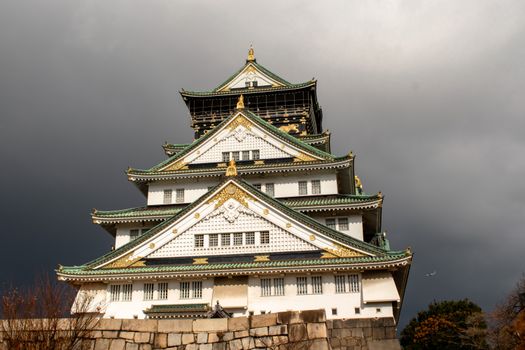
I know this is controversial, but hear me out. Tokyo is amazing—it’s huge, futuristic, and has endless things to do. But it’s also overwhelming. The subway system is a maze. Restaurants are often hidden in basements. People are polite but distant. Osaka, on the other hand, is laid-back. The food scene is more casual and more accessible. Dotonbori at night is a sensory overload in the best way—neon signs, street food, and loud, friendly people. I had the best okonomiyaki of my life at a tiny counter in Osaka, cooked by a grandma who didn’t speak English but smiled the whole time. Tokyo felt like a museum I was visiting. Osaka felt like a home I was invited into.